

Emerging Applications in Wearable Technology Industry
The concept of wearable technology has evolved far beyond simple step counting. We are now witnessing a profound shift in how these devices integrate into the fabric of our lives. This article delves deep into the most exciting and transformative emerging applications in the wearable technology industry. The journey from basic fitness trackers to sophisticated health monitors and industrial tools marks a significant technological leap. These innovations are not just changing consumer habits but are also reshaping entire sectors. The potential for growth and impact is immense, signaling a new era of connected intelligence. Our exploration will cover the diverse landscapes where these applications are making a difference. Understanding these trends is crucial for grasping the future of personal and professional technology.
The Evolution Beyond Fitness Tracking
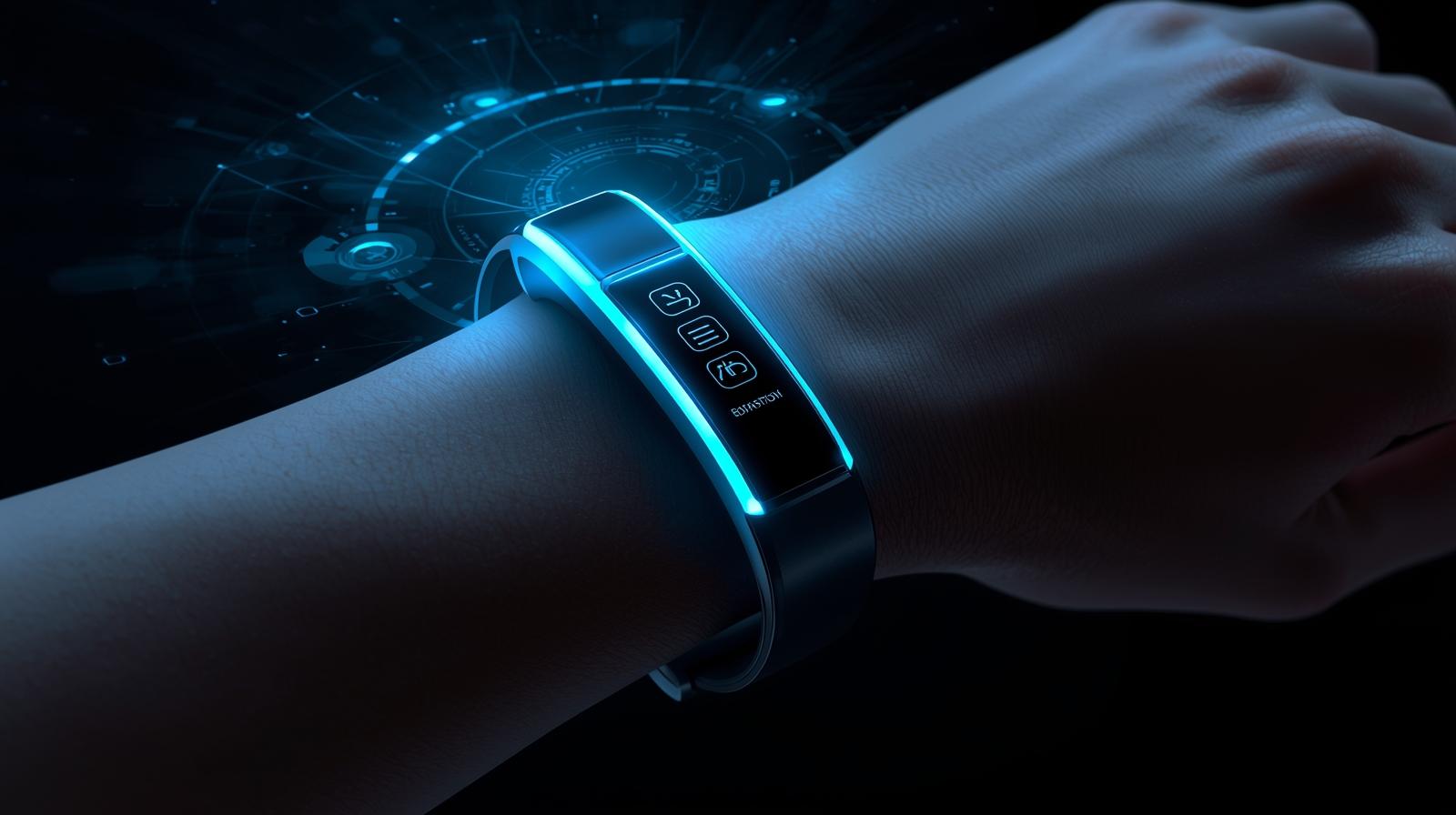
Initially, the wearable technology industry was synonymous with fitness bands and smartwatches. These devices focused primarily on metrics like steps taken, calories burned, and heart rate. However, the market has matured, and consumer expectations have risen dramatically. Manufacturers are now embedding advanced sensors and powerful processors into smaller form factors. This technological advancement has unlocked a plethora of new use cases beyond basic wellness. The definition of a wearable has expanded to include smart glasses, smart clothing, and even hearables. This evolution signifies a broader vision for the role of technology on our bodies. The emerging applications in the wearable technology industry are a testament to this rapid innovation.
Revolutionizing Personalized Healthcare
Perhaps the most significant impact of wearable technology is being felt in the healthcare sector. Continuous health monitoring is moving from the clinic to the comfort of our homes. Devices can now track electrocardiogram readings, blood oxygen saturation, and even skin temperature with remarkable accuracy. This real time data provides doctors with a comprehensive view of a patient’s health over time. It enables early detection of potential issues like atrial fibrillation or sleep apnea. For patients with chronic conditions, wearables offer a new level of autonomy and management. These emerging applications in the wearable technology industry are paving the way for predictive and preventive medicine. They empower individuals to take a more proactive role in their own health outcomes.
Mental Wellness and Stress Management
The focus on health is expanding to include mental and emotional wellbeing. Modern wearables are incorporating sensors that measure physiological indicators of stress. This includes heart rate variability, galvanic skin response, and sleep patterns. The devices then use this data to provide actionable insights and guided breathing exercises. They can alert users to moments of heightened stress, prompting them to take a mindful break. This application is crucial in today’s fast paced world where mental health is a growing concern. By making invisible stressors visible, wearables are becoming valuable tools for mental wellness. This represents a holistic approach to health that the industry is eagerly embracing.
The Rise of Smart Fabrics and Textiles
Another fascinating frontier is the development of smart fabrics and electronic textiles. These are not devices you wear but fabrics that are the device themselves. They integrate conductive threads and micro sensors directly into clothing, allowing for seamless monitoring. This technology is particularly useful for athletes seeking detailed biomechanical data on their performance. It also has promising applications in monitoring the vital signs of infants or elderly individuals. The comfort and unobtrusiveness of smart clothing make it ideal for long term wear. The emerging applications in the wearable technology industry for smart textiles are vast and varied. They represent a move towards truly invisible and integrated technology.
Transforming Industrial and Enterprise Operations
The enterprise sector is rapidly adopting wearables to enhance safety, efficiency, and training. In warehouses, smart glasses can display picking instructions, streamlining logistics and reducing errors. For field technicians, augmented reality wearables provide hands free access to schematics and expert guidance. Safety wearables can monitor workers’ vital signs in hazardous environments, alerting them to fatigue or heat stress. These applications not only improve productivity but also save lives by preventing accidents. The return on investment for companies implementing these solutions is becoming increasingly clear. The emerging applications in the wearable technology industry within enterprise settings are driving a new industrial revolution.
Augmented Reality Glasses for Consumer Use
After years of anticipation, consumer focused augmented reality glasses are becoming more viable. These devices overlay digital information onto the real world, creating a blended experience. The potential emerging applications in the wearable technology industry for AR glasses are staggering. They could provide real time navigation cues superimposed on the street in front of you. They might translate foreign language signs instantly or display information about a landmark you are viewing. For gamers, AR can turn any park into an immersive virtual playground. The success of these devices hinges on developing stylish, lightweight, and powerful form factors. They promise to redefine our interaction with the digital realm.
Wearables in the World of Sports
Professional and amateur athletes alike are leveraging wearables for a competitive edge. The data collected goes far beyond heart rate, encompassing metrics like muscle oxygen levels and ground contact time. This granular information helps in optimizing training regimens and preventing injuries. Wearables can detect early signs of overtraining, allowing for timely recovery. In team sports, GPS trackers monitor player movement and workload during games and practices. This data is invaluable for coaches making strategic decisions and managing player health. The relentless pursuit of performance enhancement fuels innovation in this niche. The emerging applications in the wearable technology industry for sports science are continuously evolving.
The Future of Wearable Technology
Looking ahead, the trajectory of the wearable technology industry points towards even greater integration. We can anticipate the development of more advanced biosensors capable of non invasive glucose monitoring or early disease detection. The form factors will likely become even more discreet, potentially evolving into smart patches or even implantables. The key trends shaping the future include:
- Greater AI Integration: Artificial intelligence will move from the cloud to the device, enabling real time, personalized insights without latency.
- Interoperability Ecosystems: Wearables will not function in isolation but as part of a seamless ecosystem of connected health and smart home devices.
- Focus on User Centric Design: The success of future wearables will depend on designs that are not only functional but also fashionable and comfortable for all day use.
The global Wearable Technology Market was valued at USD 70.30 billion in 2024 and is projected to grow from USD 84.53 billion in 2025 to USD 152.82 billion by 2029, at a CAGR of 16.8% during the forecast period.
Download PDF Brochure @
https://www.marketsandmarkets.com/pdfdownloadNew.asp?id=983
The Integration of Hearable Technology
Hearables, a category including advanced wireless earbuds, are becoming powerful wearable computers. Their primary function is audio, but they are gaining features like real time language translation and biometric monitoring. Some models can track body temperature and heart rate directly from the ear canal. The form factor is ideal for all day wear, making continuous health monitoring more discreet. They also serve as intelligent assistants, providing audio feedback and information without needing a screen. This hands free, audio first interaction model offers great convenience. The emerging applications in the wearable technology industry for hearables position them as a central hub for personal audio and health.
Enhancing Personal Safety and Security
Wearable devices are increasingly being designed with personal safety as a core function. Discrete wearable panic buttons can send an alert with location data to emergency contacts or services. This is especially beneficial for individuals working late hours, joggers, or those with medical conditions. Smart jewelry and accessories are popular forms for these safety focused devices. Some applications also include features like fall detection for elderly users living alone. The peace of mind provided by these connected safety nets is invaluable. This segment of the wearable technology industry addresses a fundamental human need for security. It demonstrates how technology can serve a deeply personal and protective role.
The Challenges of Data Privacy and Security
With great data comes great responsibility. The vast amount of personal physiological data collected by wearables raises serious privacy concerns. Questions about who owns this data, how it is stored, and with whom it is shared are paramount. A security breach involving health data could have severe consequences for individuals. Therefore, manufacturers must prioritize robust encryption and transparent data policies. Regulatory frameworks like GDPR in Europe are beginning to address these issues. Users must also be educated about the permissions they grant to wearable apps. Navigating these challenges is critical for the sustainable growth of the wearable technology industry. Trust is the foundation upon which widespread adoption is built.
Battery Life and Power Management Innovations
The functionality of wearables is often constrained by battery life. As devices become more powerful and sensors more numerous, power consumption increases. This creates a significant challenge for engineers and designers. The industry is responding with innovations in low power chipsets and more efficient software algorithms. Research into alternative energy sources, such as kinetic energy harvesting or solar power, is ongoing. The goal is to create devices that can operate for days or weeks without needing a charge. Improvements in battery technology itself are also crucial for the next generation of wearables. Solving the power problem will unlock even more sophisticated emerging applications in the wearable technology industry.
A Connected and Healthier Future
In conclusion, the landscape of wearable technology is dynamic and full of promise. The emerging applications in the wearable technology industry are transforming how we manage our health, perform our jobs, and interact with the world. From life saving medical monitoring to enterprise efficiency tools, the impact is profound. While challenges related to privacy and battery life remain, the pace of innovation is relentless. As technology continues to miniaturize and become more powerful, the line between device and user will blur further. The wearable technology industry is not just about gadgets. It is about empowering individuals with data, enhancing human capabilities, and building a smarter, healthier future for all.
Explore In-Depth Semiconductor & Electronics Market Research:
https://www.marketsandmarkets.com/semiconductorand-electonics-market-research-87.html
Frequently Asked Questions (FAQs)
1. What are the most promising emerging applications in the wearable technology industry?
The most promising applications are in continuous health monitoring for chronic diseases, mental wellness and stress management, augmented reality for enterprise and consumer use, and smart fabrics for seamless biometric tracking.
2. How are wearables improving healthcare outcomes?
Wearables enable proactive health management by providing continuous, real time data to both individuals and doctors. This allows for early detection of abnormalities, remote patient monitoring, and more personalized treatment plans, leading to better preventive care.
3. What are the main privacy concerns with wearable technology?
The main concerns involve the ownership, storage, and usage of the highly sensitive personal health data collected by these devices. Users worry about data being sold to third parties, used for insurance purposes, or vulnerable to security breaches.
4. What is the difference between a fitness tracker and a medical grade wearable?
Fitness trackers are generally wellness devices focused on metrics like steps and sleep for consumer use. Medical grade wearables are clinically validated, often requiring regulatory approval, and are designed for diagnosing or monitoring specific medical conditions with high accuracy.
5. What future advancements can we expect in wearable technology?
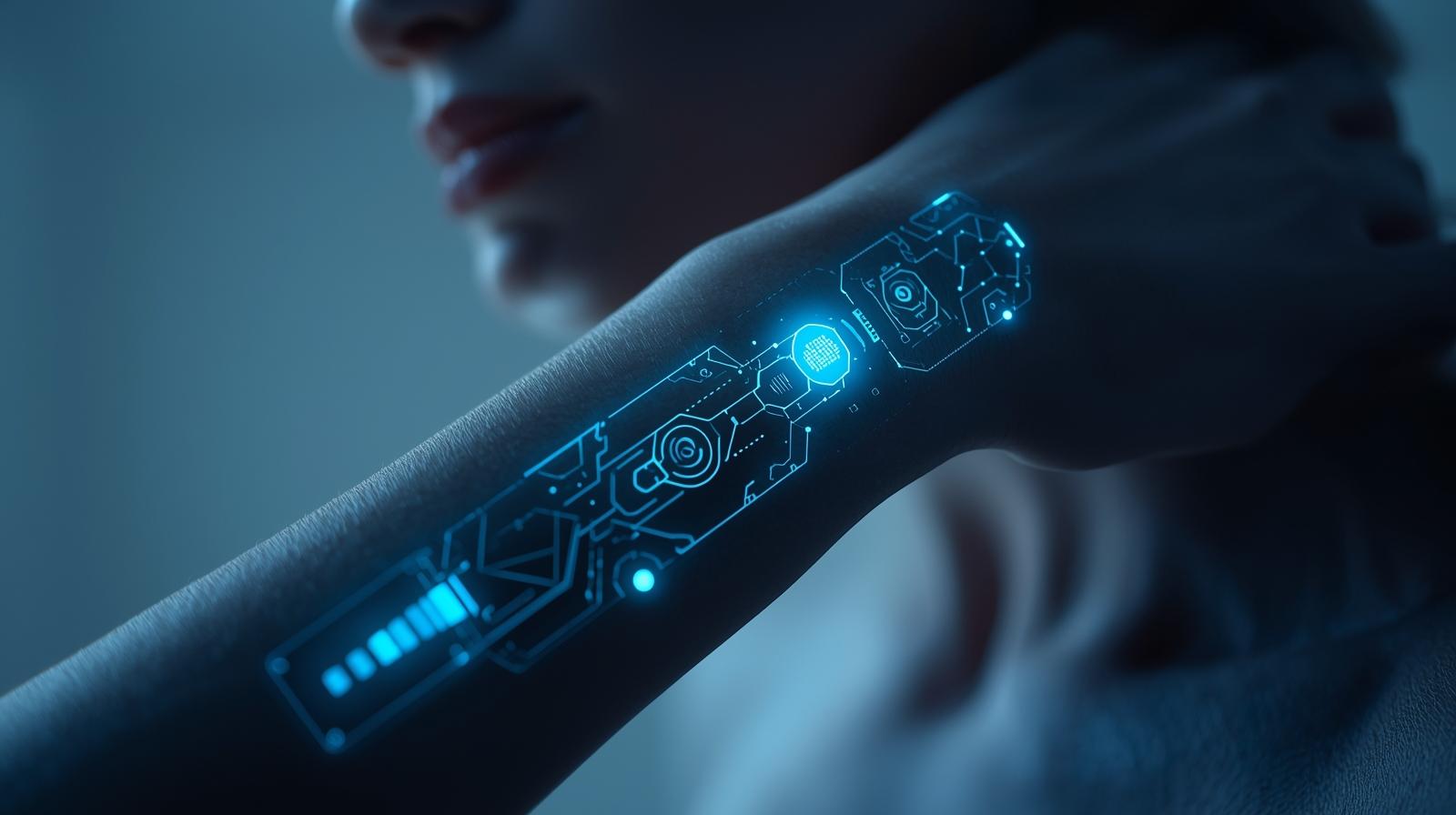
Future advancements include non invasive blood glucose monitoring, more sophisticated AI driven insights, longer battery life through new power sources, and the development of even smaller, more discreet form factors like smart patches and electronic tattoos.
See The Latest Semiconductor Reports:
Proximity Sensor Market Size, Share & Trends : https://www.marketsandmarkets.com/Market-Reports/proximity-sensor-market-36281914.html
Terahertz Technology Market Size, Share & Trends : https://www.marketsandmarkets.com/Market-Reports/terahertz-technology-market-71182197.html
Cryocooler Market Size, Share & Trends : https://www.marketsandmarkets.com/Market-Reports/cryocooler-market-247727537.html
Time-Sensitive Networking Market Size, Share & Trends : https://www.marketsandmarkets.com/Market-Reports/time-sensitive-networking-market-215000493.html
Actuators Market Size, Share & Trends : https://www.marketsandmarkets.com/Market-Reports/global-actuators-market-59465451.html
Battery Technology Market Size, Share & Trends: https://www.marketsandmarkets.com/Market-Reports/battery-technology-market-253343109.html
24World Media does not take any responsibility of the information you see on this page. The content this page contains is from independent third-party content provider. If you have any concerns regarding the content, please free to write us here: contact@24worldmedia.com