

Green Seas Ahead: DP Systems Powering Sustainable Offshore Energy
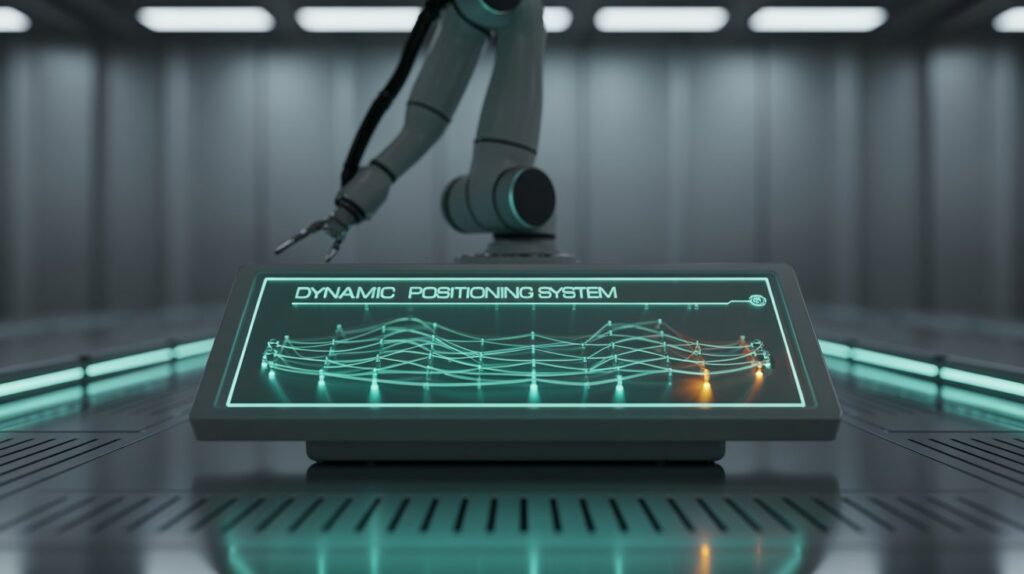
The transition to sustainable energy is transforming the maritime sector, particularly offshore operations where dynamic positioning (DP) systems play an increasingly vital role. These advanced systems are designed to automatically maintain a vessel’s position and heading using thrusters and propellers, guided by GPS and sensor data. In the context of the offshore energy revolution, DP systems are no longer just about station-keeping—they are becoming critical enablers of clean, safe, and smart marine operations.
Download PDF Brochure @
https://www.marketsandmarkets.com/pdfdownloadNew.asp?id=44881766
Market Growth Driven by Offshore Energy Demand
The global dynamic positioning system market is projected to grow from USD 6.36 billion in 2025 to USD 8.65 billion by 2030, at a compound annual growth rate (CAGR) of 6.3%. This growth is largely driven by the rising demand for offshore renewable energy, particularly floating wind farms, which require high-precision vessel control during installation, maintenance, and cable laying.
Floating wind farms, unlike their fixed-bottom counterparts, are situated in deeper waters and demand advanced vessel maneuverability. DP systems are essential in such operations, as they allow ships to remain stationary in challenging marine environments without the need for anchoring, which can damage marine ecosystems.
Sustainability Through Advanced Technologies
Modern DP systems are evolving with several technological enhancements that align with sustainability goals:
- Hybrid Propulsion Integration: Many vessels now use a combination of electric and diesel power to reduce fuel consumption during DP operations. This reduces both emissions and operating costs.
- Digital Twin Technology: By creating a virtual model of the vessel, operators can simulate various sea conditions and system responses to optimize performance and energy use before actual deployment.
- Condition-Based Monitoring (CBM): Rather than relying on scheduled maintenance, CBM allows operators to monitor the health of equipment in real time, reducing unnecessary servicing and extending the life of components.
- Multi-Sensor Fusion and Redundancy: These systems enhance the safety and reliability of DP operations by integrating data from multiple sources (e.g., GPS, gyroscopes, wind sensors) and ensuring backup systems are ready in case of failure.
- Remote and Autonomous Control: Automation is becoming increasingly integrated into DP systems. Reduced reliance on crew for position control enhances safety, particularly in harsh offshore conditions, and lowers the environmental footprint by enabling more efficient operations.
Europe Leading the Charge
Europe remains at the forefront of sustainable DP system adoption, primarily due to its robust offshore wind energy sector and strict maritime regulations. Countries like the UK, Norway, the Netherlands, and France are investing heavily in clean offshore technologies. In France, the commissioning of floating wind projects such as Bretagne Sud underscores the growing demand for high-performance DP-equipped vessels.
Additionally, naval forces across Europe are integrating DP systems into support and logistics vessels for tasks such as mine detection and underwater surveillance, contributing to both environmental and operational benefits.
Opportunities for OEMs and Operators
As environmental regulations tighten and offshore operations become more complex, the market for Class 3 DP systems—which offer full redundancy in power, control, and propulsion—is expanding rapidly. These systems are especially critical for high-risk operations like deepwater drilling and renewable installations.
For equipment manufacturers (OEMs) and vessel operators, the opportunity lies in:
- Developing smarter, energy-efficient DP systems
- Achieving certifications from key regulatory bodies such as IMO, DNV, ABS, and Lloyd’s Register
- Offering upgrade solutions for existing commercial fleets to meet new green shipping standards
Ask for Sample Report @
https://www.marketsandmarkets.com/requestsampleNew.asp?id=44881766
Future Outlook: Enabling a Cleaner Maritime Future
Dynamic positioning systems are no longer niche technologies—they are central to the maritime industry’s shift toward sustainability. By supporting cleaner offshore energy projects and improving vessel efficiency, DP systems are steering the sector into a greener, more resilient future. As innovation continues to improve precision, automation, and fuel efficiency, these systems will become indispensable tools for meeting the world’s clean energy goals at sea.
24World Media does not take any responsibility of the information you see on this page. The content this page contains is from independent third-party content provider. If you have any concerns regarding the content, please free to write us here: contact@24worldmedia.com