

National Insurance ‘to be cut by Jeremy Hunt’ in boost for 28 million workers
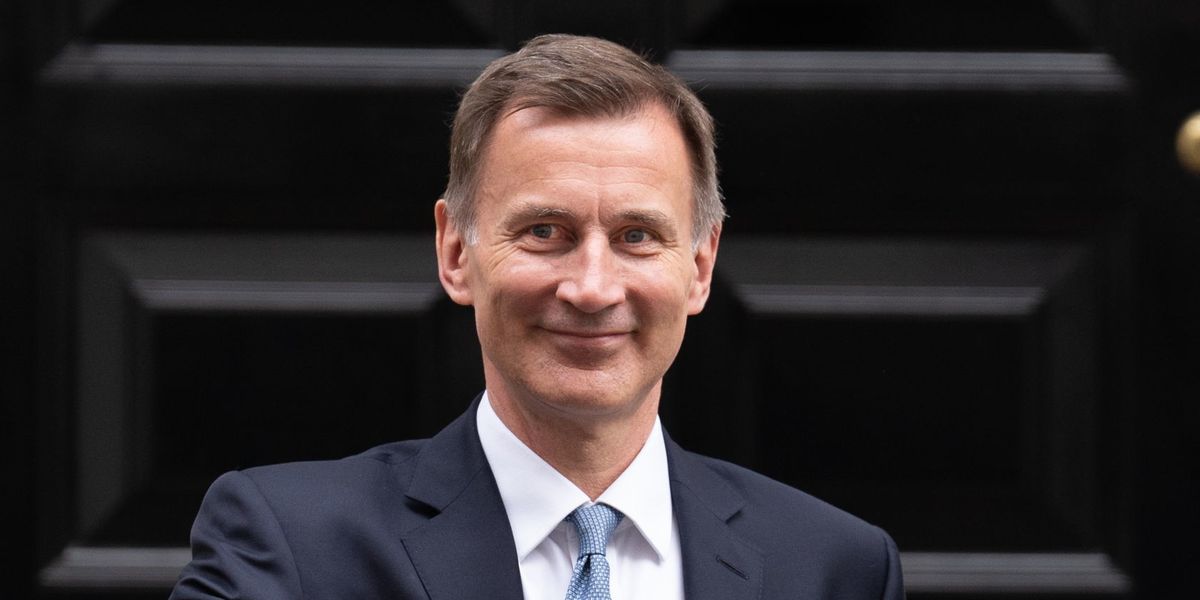
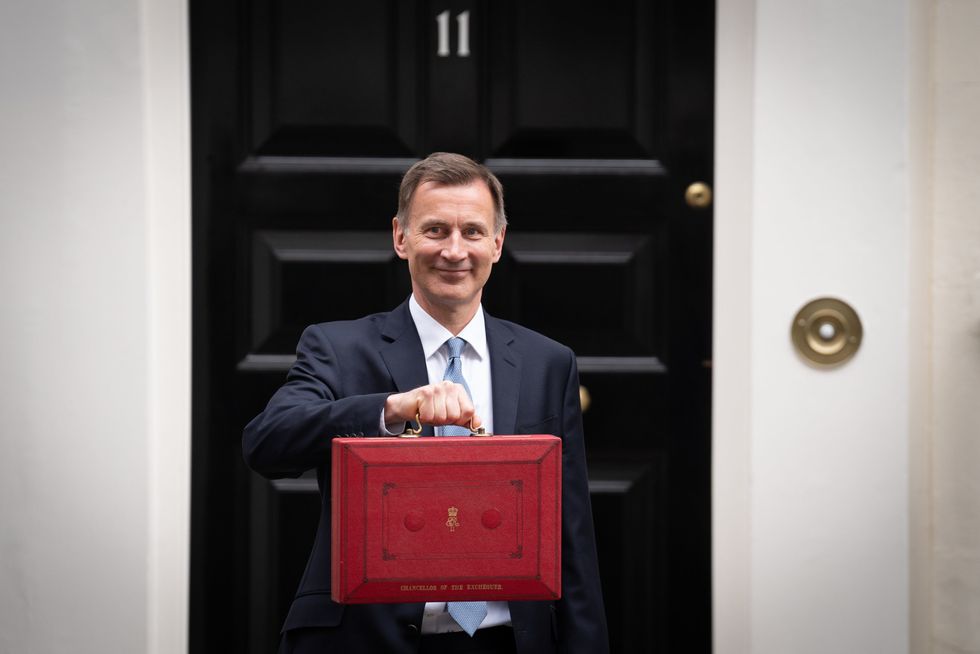
Jeremy Hunt is set to cut the National Insurance rate for 28 million workers in today’s Autumn Statement, according to reports.
The Chancellor is expected to reduce the headline rates of National Insurance for employees and the self-employed, the Times reports.
A one per cent cut would cost around £5billion.
It would be worth roughly £380 a year to someone earning more than £50,000.
WATCH NOW: Liam Halligan on Autumn Statement predictions on Tuesday
People need to pay National Insurance if they’re aged 16 or older and are either an employee earning more than £242 per week from one job or self-employed and making a profit of more than £12,570 a year.
How much a person pays in National Insurance depends on employment status and how much they earn.
People who are employed and earn more than £242 will pay Class 1 National Insurance contributions.
The rates for most people for the tax year 2023 to 2024 are 12 per cent on income between £242 to £967 a week (£1,048 to £4,189 a month).
A rate of two per cent applies on pay over £967 a week (£4,189 a month).
Some people may pay less, and the rules are different for self-employed earners.
The Chancellor yesterday announced a record pay rise of the lowest-paid workers, announcing an almost 10 per cent increase to the National Living Wage.
Mr Hunt has also extended the eligibility rules for National Living Wage, reducing the age threshold from 23 to 21.
From April 2024, employers will need to pay all workers who are over the age of 21 £11.44 per hour.
The National Living Wage is currently £10.42 an hour, with the hourly National Minimum Wage for 21 and 22-year-olds standing at £10.18.
The Chancellor said the increase was worth £1,800 a year for full-time workers.
Mr Hunt is expected to declare the economy is “back on track” in today’s statement.
Consumer Price Index (CPI) inflation dropped to 4.6 per cent in October, which Prime Minister Rishi Sunak said meant he had met his target of halving inflation to below 5.4 per cent by the end of the year.
However, it’s still far from the Bank of England’s two per cent target, and economists pointed out that the lower energy price cap helped drive the sharp drop last month.
Shadow Chancellor Rachel Reeves said: “After 13 years of economic failure under the Conservatives, working people are worse off.
“Prices are still rising in the shops, energy bills are up and mortgage payments are higher after the Conservatives crashed the economy.
“The 25 Tory tax rises since 2019 are the clearest sign of economic failure, with households paying £4,000 more in tax each year than they did in 2010.
“The Conservatives have become the party of high tax because they are the party of low growth. Nothing the Chancellor says or does in his Autumn Statement can change their appalling record.”
24World Media does not take any responsibility of the information you see on this page. The content this page contains is from independent third-party content provider. If you have any concerns regarding the content, please free to write us here: contact@24worldmedia.com