

Steel Rebar Market: The Backbone of Infrastructure and Industrial Growth

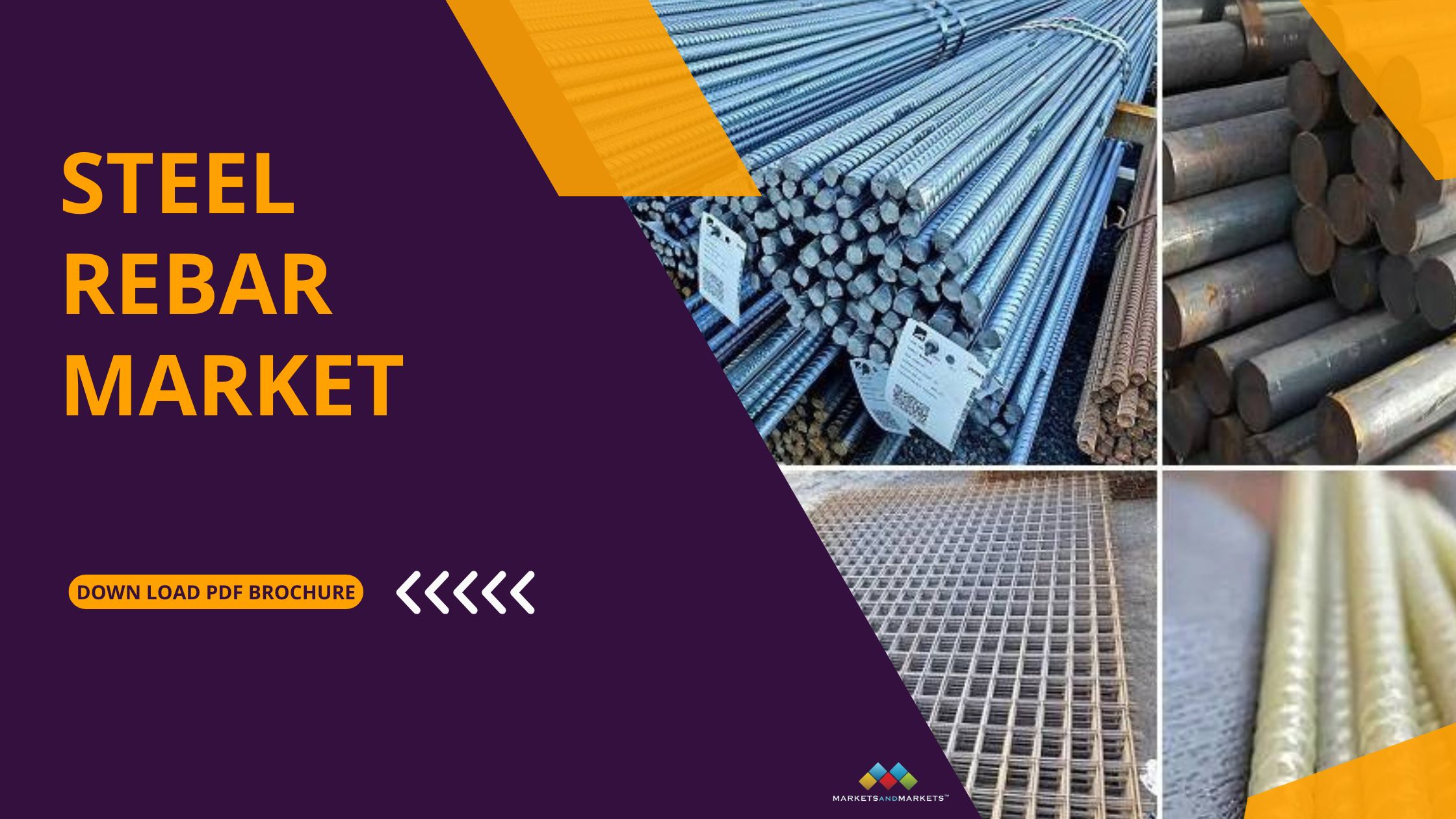
In the world of construction and industrial development, steel rebars—commonly known as reinforcing bars—serve as the unsung heroes. They quietly strengthen the concrete skeletons of towering skyscrapers, enduring bridges, sprawling factories, and vital oil pipelines. As urbanization picks up pace and industries expand globally, the demand for steel rebars continues to soar, making them indispensable across multiple sectors.
But what makes steel rebars so vital, and why is their market gaining so much momentum? To answer that, let’s delve into what’s driving this demand and explore how this market is evolving to meet the needs of a rapidly changing world.
The Steel Rebar Market is approximated to be USD 224.5 billion in 2022, and it is projected to reach USD 317.4 billion by 2030, at a CAGR of 4.4%.
The Rising Demand for Steel Rebars
The steel rebar market is projected to grow substantially, fueled by two major factors: urbanization and industrial growth. Urbanization isn’t just about expanding cities—it’s about redefining them. Today’s cities demand more than just buildings; they require sustainable, earthquake-resistant, and long-lasting structures that stand the test of time. Steel rebars make these ambitions a reality by adding strength and flexibility to concrete, allowing it to bear more stress and withstand harsh environmental conditions.
On the industrial front, sectors like oil and gas, manufacturing, and energy are seeing significant expansions. These industries rely on steel rebars for projects such as pipeline construction, offshore rigs, and factory frameworks. For example, the oil and gas industry requires rebars that can endure extreme pressures and corrosive environments, while manufacturing plants depend on them to reinforce the floors and walls that house heavy machinery.
Applications that Drive Innovation
- Infrastructure Development
Whether it’s the construction of highways, railways, or airports, steel rebars are essential for building structures that are not only durable but also capable of accommodating massive loads and daily wear and tear. Urban planners rely heavily on them to create resilient cities. - Oil and Gas Sector
This sector represents a unique challenge for steel rebar manufacturers. The materials used must be able to withstand extreme environments, whether they are buried deep underground or exposed to corrosive seawater. High-performance rebars, like epoxy-coated or stainless steel variants, have become the preferred choice. - Manufacturing and Industrial Facilities
In the manufacturing sector, steel rebars provide the structural strength necessary to support heavy equipment and production lines. Facilities are also demanding more from their materials, such as enhanced fire resistance and longer lifespans. - Sustainability in Construction
As green building practices gain traction, the steel rebar market has responded with innovations like recycled steel rebars. These eco-friendly alternatives align with sustainability goals while maintaining the structural integrity required for modern construction.
Current Trends Shaping the Market
The steel rebar industry isn’t stagnant—it’s adapting and growing in fascinating ways:
- Technological Innovations: Manufacturers are exploring advanced coatings and hybrid materials to produce rebars with greater durability and resistance to corrosion.
- Global Infrastructure Projects: Initiatives like India’s Smart Cities Mission and the expansion of China’s Belt and Road Initiative are driving demand for high-quality rebars, especially in emerging economies.
- Shift to Sustainability: With environmental concerns on the rise, recycled and low-carbon-footprint rebars are gaining popularity. These not only meet regulatory standards but also appeal to environmentally conscious developers.s.
The steel rebar market is poised for consistent growth, underpinned by rising demand from infrastructure projects, industrial expansions, and sustainability-driven initiatives. For professionals across sectors—whether you’re an infrastructure developer planning the next megaproject, an urban planner shaping smart cities, or an oil and gas expert designing resilient pipelines—steel rebars are more than just materials; they’re essential tools in building the future.
As the market evolves, it will be shaped by innovation and sustainability. High-performance, eco-friendly rebars are not just trends but necessities for industries aiming to meet modern demands. In this dynamic landscape, the companies and stakeholders who prioritize adaptability and innovation will thrive, ensuring that steel rebars remain the foundation of global growth.
The steel rebar market is a testament to the critical role of innovation in traditional industries. Whether it’s a skyscraper in New York, a pipeline in the Middle East, or a factory in Southeast Asia, steel rebars form the backbone of modern infrastructure. For industry professionals, this market represents a thriving space brimming with opportunities for growth and innovation. Embracing advancements in technology and sustainability will not only enhance structures but also create a resilient and resource-efficient future.
24World Media does not take any responsibility of the information you see on this page. The content this page contains is from independent third-party content provider. If you have any concerns regarding the content, please free to write us here: contact@24worldmedia.com