

An implantable sensor could prevent opioid deaths
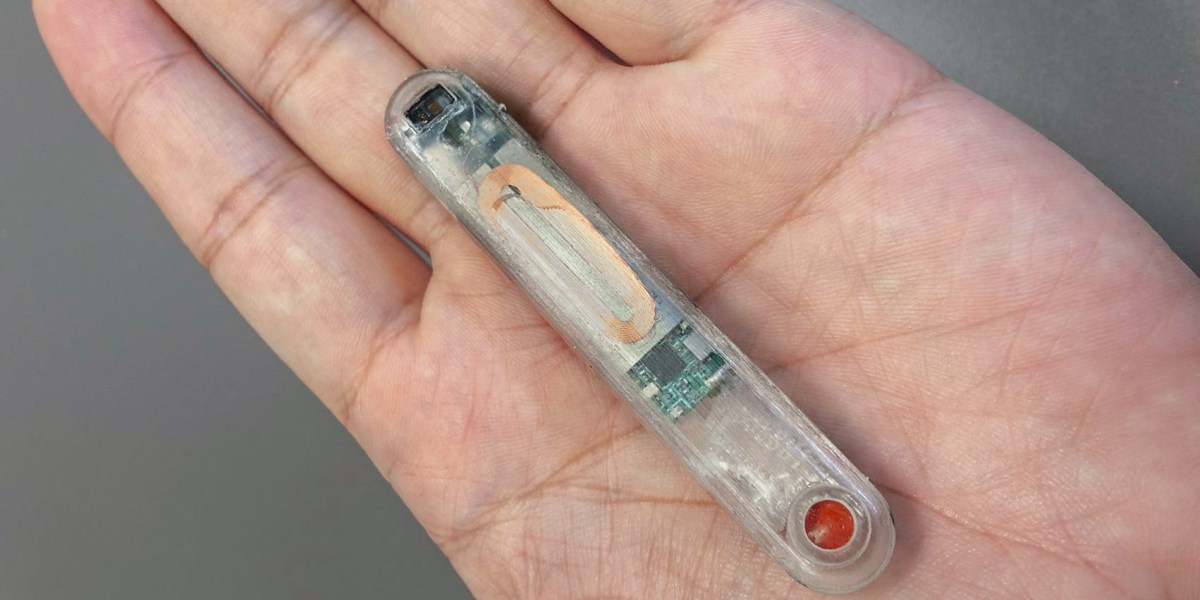
“The most challenging aspect of developing an engineering solution to prevent overdose mortality is simultaneously addressing patient adherence and willingness to adopt new technology, combating stigma, minimizing false positive detections, and ensuring the rapid delivery of antidotes,” says the paper’s lead author, Hen-Wei Huang, a former MIT visiting scientist and an assistant professor of electrical and electronic engineering at Nanyang Technological University in Singapore. “Our proposed solution tackles these unmet needs.”
The researchers hope to test the device in humans within three to five years. They are now working on miniaturizing it further and optimizing the onboard battery, which currently can provide power for about two weeks.
24World Media does not take any responsibility of the information you see on this page. The content this page contains is from independent third-party content provider. If you have any concerns regarding the content, please free to write us here: contact@24worldmedia.com