

Early life may have breathed oxygen earlier than believed
Around 2.3 billion years ago, a pivotal period known as the Great Oxidation Event set the evolutionary course for oxygen-breathing life on Earth. But MIT geobiologists and colleagues have found evidence that some early forms of life evolved the ability to use oxygen hundreds of millions of years before that.
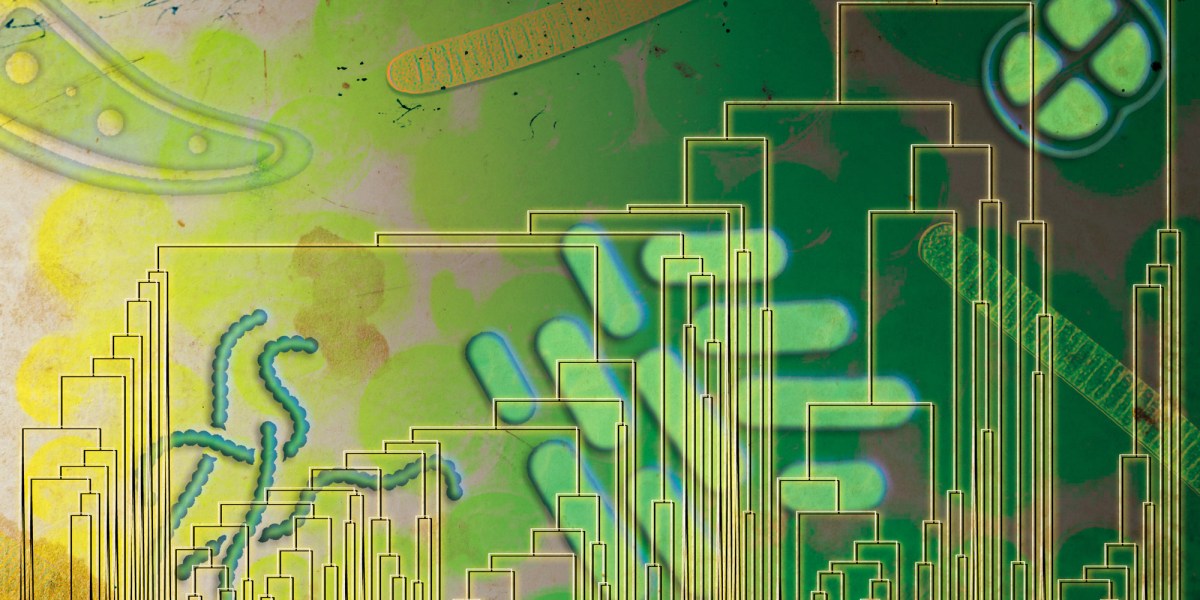
By mapping enzyme sequences from several thousand modern organisms onto an evolutionary tree of life, the researchers traced the origins of an enzyme that enables organisms to use oxygen to the Mesoarchean period, 3.2 to 2.8 billion years ago.
The team’s results may help explain a longstanding puzzle in Earth’s history: Given that the first oxygen-producing microbes likely emerged before the Mesoarchean, why didn’t oxygen build up in the atmosphere until hundreds of millions of years later? Having evolved the key enzyme, organisms living near those microbes, called cyanobacteria, may have gobbled up the small amounts of oxygen they produced.
“This does dramatically change the story of aerobic respiration,” says Fatima Husain, SM ’18, PhD ’25, a research scientist in MIT’s Department of Earth, Atmospheric, and Planetary Sciences (EAPS) and a coauthor with Gregory Fournier, an associate professor of geobiology, of a paper on the research. “It shows us how incredibly innovative life is at all periods in Earth’s history.”
24World Media does not take any responsibility of the information you see on this page. The content this page contains is from independent third-party content provider. If you have any concerns regarding the content, please free to write us here: contact@24worldmedia.com