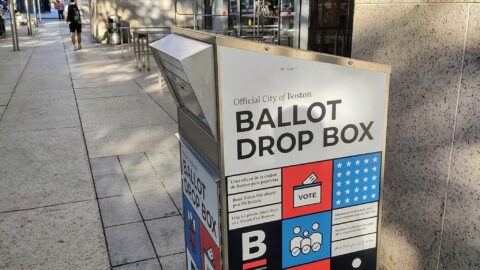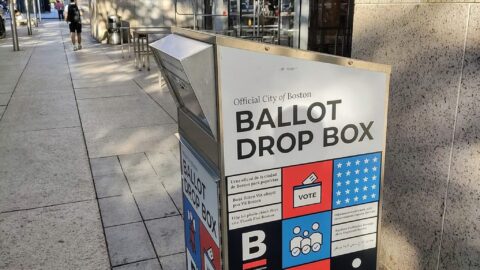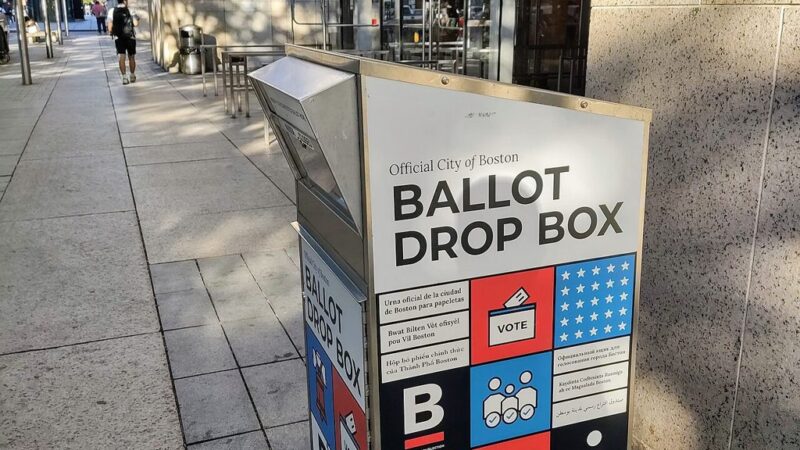
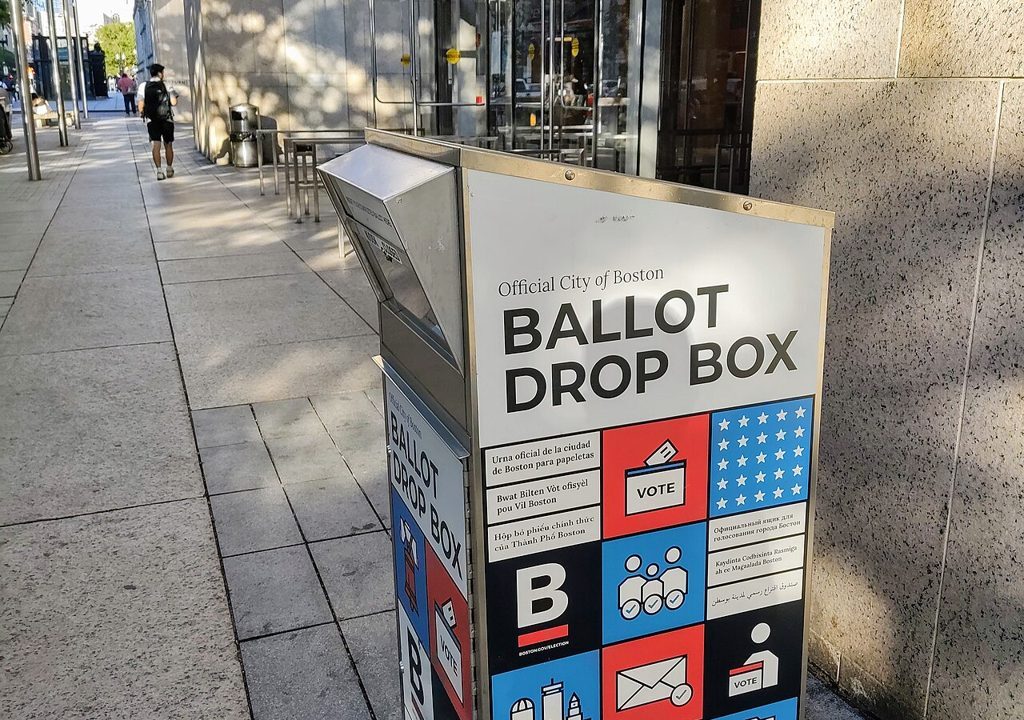
Nearly 27 million early ballots is not just a political statistic. For marketers, media buyers and brands, it is a signal about attention, timing and the shrinking window for persuasion. By October 25, about 26.85 million Americans had already voted in the 2026 midterms, roughly 13.7 million by mail and 13.1 million in person, running about 10 percent ahead of the 2022 pace across 46 reporting states. That means the audience for final week campaign messaging is smaller, and more decided, than the audience campaigns planned for in September. Every dollar spent persuading a voter who has already cast a ballot is a dollar wasted, and every message that lands after a voter has voted is a message that arrives too late. The smart response is not to spend more in the final week. It is to spend differently, targeting the voters who have not yet voted, in the places where early voting is still open, with messages that acknowledge the clock.
Where the audience has already moved
The geography of early voting matters for media planning. Texas leads the country in ballots cast, followed by California, Florida, Georgia, North Carolina and Virginia, and the surge is uneven within states as well. In Texas, Harris County recorded more than 620,000 early voters, just under 23 percent of registered voters, below the statewide rate and below several nearby counties, while some rural counties had already seen roughly a third or more of registered voters cast ballots. In Virginia, early votes are almost double the number at the same point in the last midterm, and early voting ends on Halloween. For a brand or campaign buying media in these markets, the implication is practical: reach is not the same as persuadable reach, and the most efficient buy in the final week is the one that reaches the not yet voted, not the largest raw audience. That requires voter file data, early voting returns and disciplined frequency caps, not just bigger buys.
The lesson beyond politics
The deeper lesson applies well beyond elections. Audiences do not wait for a launch date, a finale or an Election Day. They act early when the friction is low, and early voting is low friction voting: mail ballots, early in person options and weeks of availability. Brands that treat a campaign as a single moment, a launch day or a sale weekend, will increasingly find that their audience has already acted, or already decided, before the moment arrives. The early voting numbers show what happens when participation is made easy: people participate early, in record numbers, and the late campaign becomes a turnout operation for the remainder rather than a persuasion operation for everyone. Marketers who build for that reality, with early offers, early content and a final week focused on the undecided remainder, will waste less and convert more. Those who plan for a single decisive day will keep buying an audience that has already left the room.