Two of the oldest lines in the media business are still shrinking. WARC Media’s latest global forecast, published this week, expects radio advertising investment to fall 1.9 percent and publishing investment to drop 2.4 percent in 2026 — even as total global ad spend surges 11.9 percent to $1.34 trillion.
The declines are not a collapse; both media retain loyal local advertisers and, in radio’s case, resilient in-car and workplace audiences. But in a year when social media grows 21.3 percent, retail media 14.3 percent and search 14.2 percent, a falling line in the forecast table is a statement about where planning attention goes. Social, search and retail media together take 66.4 percent of global spend in 2026, heading for 70 percent by 2028, leaving every other medium to compete for a shrinking residual.
Publishing’s pressures are the most documented. News and magazine publishers face the long migration of classified and display budgets to platforms, plus newer threats: AI-generated search answers that satisfy queries without a click, and advertiser caution around news adjacency. Industry responses have centred on subscriptions, events, commerce content and first-party data — revenue lines that make publishers less dependent on the open display market the forecast measures.
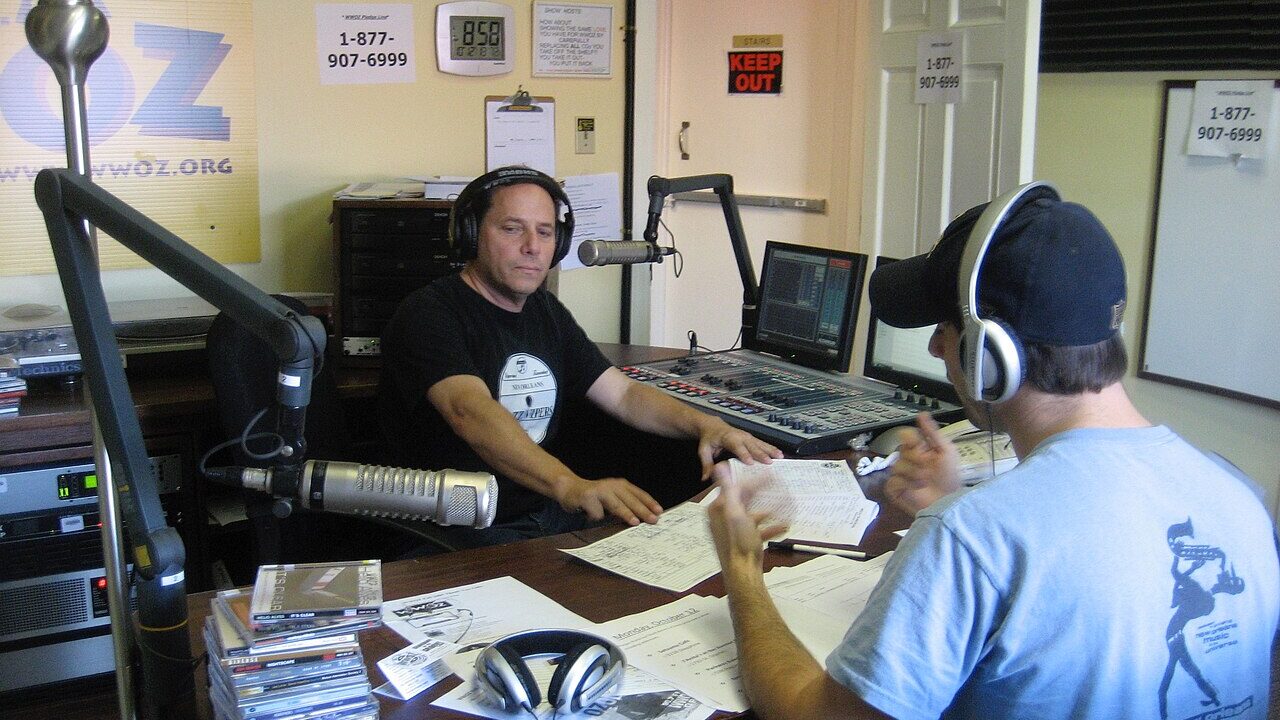
Radio’s story is more nuanced. Broadcast listening remains substantial, and the medium’s localism — traffic, weather, community presence — still sells cars and furniture effectively in markets where local retail survives. But national brand budgets increasingly buy audio through streaming and podcast platforms, where targeting and measurement resemble digital, and WARC’s forecast captures the broadcast side of that substitution. The growth in audio advertising is real; it is simply not landing primarily on broadcast radio’s ledger.
Both media also face a measurement disadvantage that compounds over time. Performance channels report back quickly and in the language of sales; legacy media trade on reach studies and brand effects that require faith and patience. In budget meetings run under economic uncertainty — which WARC identifies as the defining condition of 2026 — the channel that can show its working usually wins the marginal dollar.
There are counter-currents. Local news scarcity has made surviving publishers more valuable to the communities and advertisers who remain; radio groups are building podcast and streaming networks that may reclassify their growth into the winning columns of future forecasts. And brand-safety swings periodically remind advertisers of the value of edited, accountable media environments.
For now, though, the forecast on Friday, October 9, 2026 tells a familiar story: the overall pie is growing handsomely, and radio and publishing are not where the growth is.
Related reading: WARC: The Old Media Planning Model Is Breaking Apart · The Upfront Grows Up: London, Streaming and the New TV Sales Pitch · Disney Says Ad-Free Still Means Ad-Free on Disney+