Creator marketing has finished its probationary period. The Interactive Advertising Bureau puts U.S. creator economy advertising spend at $43.9 billion in 2026, up from about $37.1 billion in 2025 — an 18 percent climb that would have been headline news in any other channel. Close to half of creator ad buyers now describe creators as a “must buy” rather than an experiment, and the IAB’s leadership has taken to calling creator marketing essential rather than experimental.
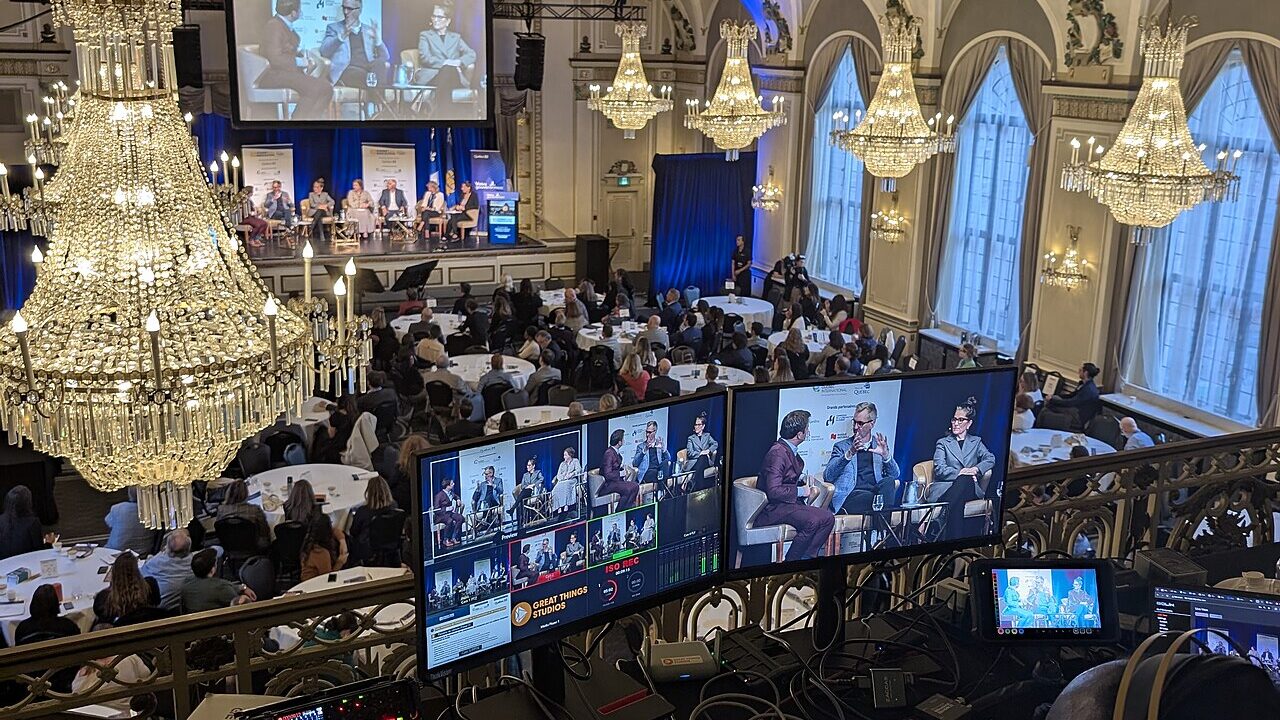
The structure of the money is changing as fast as its size. Industry reporting around Cannes Lions this summer found performance-based arrangements — deals where creator pay is tied to clicks, sales or similar results — reaching 53 percent of all creator deals in 2026, up from 23 percent in 2024. Brands are pushing for longer-term partnerships instead of one-off sponsored posts, and showing up at industry events in force: more than 250 creators were expected at Cannes this year, mixing with the CMOs and agency executives who control the budgets. Meanwhile a second measure — influencer spend tracked by payment platforms — puts the narrower U.S. influencer channel at $12.17 billion in 2026, up 15.7 percent, inside a global influencer market above $32 billion. The two numbers differ because the definitions differ: the larger figure sweeps in the full creator advertising economy, the smaller counts direct influencer payments.
The money, however, is not spreading evenly. Across the creator economy, the top 10 percent of creators captured about 62 percent of all brand payments in 2025, up from 53 percent in 2023, while only a small single-digit share of influencers earn six figures from brand deals and more than half of full-time creators earn below a U.S. living wage. Agencies and platforms take their cut in between — commonly 20 to 30 percent — and a surprising share of allocated budgets reportedly goes unspent each quarter because matching, contracting and paying hundreds of individual creators is slow, manual work.
That friction is now a business opportunity in itself: payment compliance, rights management and amplification have become product categories. Brands typically spend an additional 70 to 150 percent of a creator’s fee amplifying the resulting content as paid media, which means the creator deal is increasingly the smaller half of the creator budget.
For marketers, the mature posture is to run creators as a channel with a portfolio: a few anchor partnerships on performance terms, a long tail of micro-creators for efficient reach, usage rights priced explicitly rather than assumed, and amplification planned from the start. The $44 billion question is no longer whether creators belong in the media plan. It is whether your operating model can pay them, rights them and prove them at the speed the channel now moves.
Related reading: HubSpot and Salesforce Are Selling the Same Thing: A CRM That Updates Itself · CMOs Say Budgets Are Rising in 2026. The Money Is Moving, Not Just Growing. · Advertising Passes $1 Trillion — But Two Forecasts Cannot Agree on the Number