

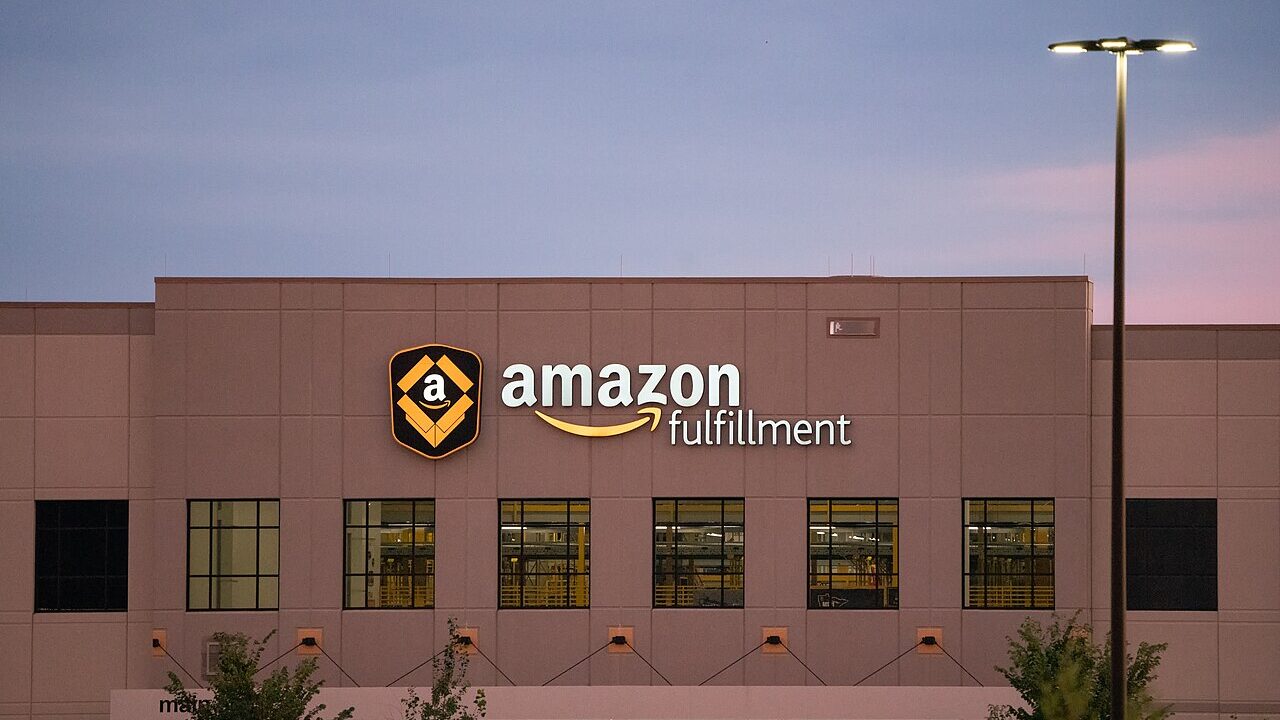
Retail media is having its biggest year yet, and almost all of the growth belongs to two companies. U.S. advertisers spent $60.32 billion on retail media in 2025, and eMarketer expects the figure to reach $71.09 billion in 2026 — a 17.8 percent jump that outpaces growth in both social and search advertising. Amazon Ads held 79.7 percent of the U.S. retail media market in 2025, with Walmart Connect a distant second at 8.0 percent and Target’s Roundel at 1.5 percent. By eMarketer’s forecast, Amazon and Walmart together will capture about 89 percent of the category’s incremental spending in 2026.
That concentration is reshaping how brands plan. Retail media began as sponsored product listings — paying to appear when a shopper searched a retailer’s site. It now extends into display, video, connected TV and off-site placements, all anchored to first-party purchase data that other channels cannot match. A brand buying retail media is not really buying impressions; it is buying proximity to a transaction, plus a closed-loop report showing whether the people who saw the ad actually bought the product.
The middle tier of networks is trying to find room underneath the duopoly. Ace Hardware, which launched its RedVest Media network about a year ago, held its first upfront event at Wrigley Field in late August and used it to announce an expanded DoorDash partnership, creator marketing through vetted local influencers, weather-triggered programmatic ads and an audience library built around DIY homeowners. With more than 5,300 stores and 80 million loyalty members, Ace’s pitch is not scale against Amazon but consistency and local relevance. Its chief marketing officer put the strategy bluntly: the co-op will not beat the big home-improvement chains on spend, but it intends to beat them on consistency.
The risk for smaller networks is a familiar pattern in the trade press: retailers launch networks by repackaging trade and shopper-marketing budgets, enjoy a year or two of easy growth, then stall when those budgets run dry and the business must win genuinely new media money. Industry surveys presented this fall suggest many networks expect roughly 23 percent revenue growth in 2026, yet fewer than one in five expect to beat their own plan.
For brand marketers, the takeaway is to treat retail media as two different buys. Amazon and Walmart are reach-and-data platforms where most incremental dollars will land whether planners choose them or not. Everywhere else, the buy is a specialty play — a grocer’s basket data, a beauty retailer’s loyalty file, a hardware co-op’s local footprint — that has to justify itself against the duopoly’s measurement. In a $71 billion category, the fight is no longer about whether retail media belongs in the plan. It is about who, other than two giants, gets a seat at the table.
Related reading: Meta Turns Static Photos Into Video Ads as Advantage+ Creative Goes Wide · Google Ads Gives AI Max a Dashboard: New Columns Expose the Targeting Behind the Automation



1 Comment