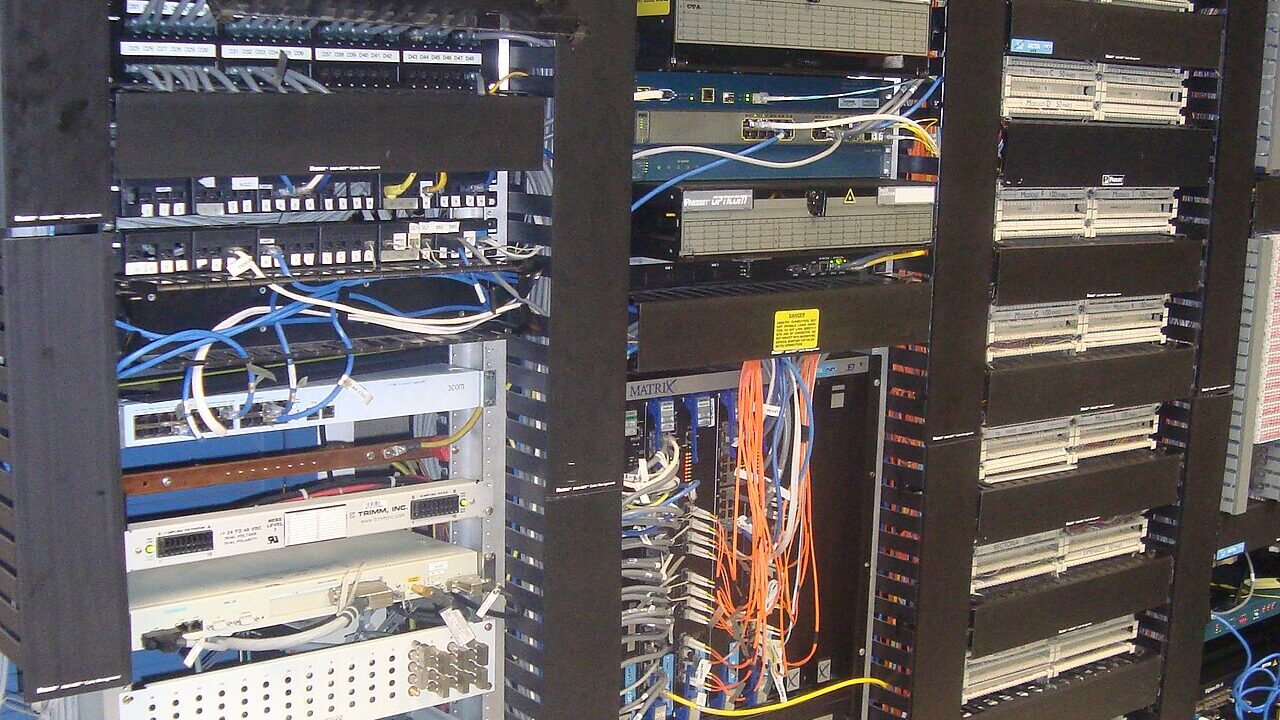
Voters across at least 29 US jurisdictions approved bans or restrictions on data centre construction, reflecting broad public opposition to AI infrastructure expansion, according to a briefing on Thursday that gathered the local results. The votes received far less national attention than the congressional races, but they may prove just as consequential for the technology industry. A data centre cannot be built where voters have banned it, and a company that planned a campus in one of those jurisdictions must now find another site, another state, or another strategy.
Why it matters
The backlash has a clear cause. Data centres consume large amounts of electricity and water, they arrive with promises of jobs that often prove smaller than advertised, and they can strain local grids and raise costs for nearby residents. Those concerns were once the preserve of planning meetings and environmental groups. They are now ballot questions, and voters are answering them decisively. For marketers and media professionals, the lesson is that infrastructure is no longer a background issue. It is a public issue, and the public is voting on it.
The election added a second layer of pressure. Democratic victories in the governorships of Texas, Georgia and Ohio have increased the possibility of tighter scrutiny of data centre projects, according to an ICICI Bank report, and those three states together account for nearly 33 percent of the country operating and planned data centre capacity. The three states hold a combined 156 gigawatts of capacity, of which around 141 gigawatts is still planned and only 15 gigawatts is operational. A governor who wants to slow a project now has both the authority and the political cover to do so.
What happens next
The industry response is already splitting. Some companies are accelerating, hoping to build under current approval conditions before new policies take effect, a strategy Goldman Sachs analysts described this week. Others are pausing, waiting to see what the new rules will be. Both approaches carry risk. Building fast can mean building in the wrong place, while waiting can mean losing a site to a competitor. The common thread is uncertainty, and uncertainty is expensive for capital intensive projects.
For the wider AI debate, the local votes change the terms. The argument about artificial intelligence has been conducted largely in Washington, in terms of regulation, competition and national security. The voters in 29 jurisdictions have added a different argument, about power, water, noise and community consent. That argument will not be settled by a congressional committee. It will be settled town by town, and the industry will need a better answer than it has offered so far.