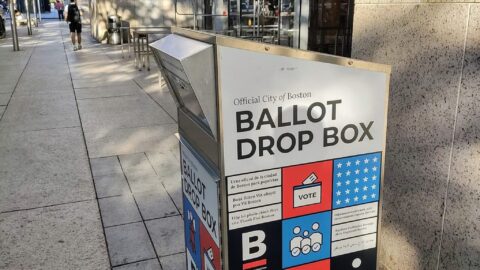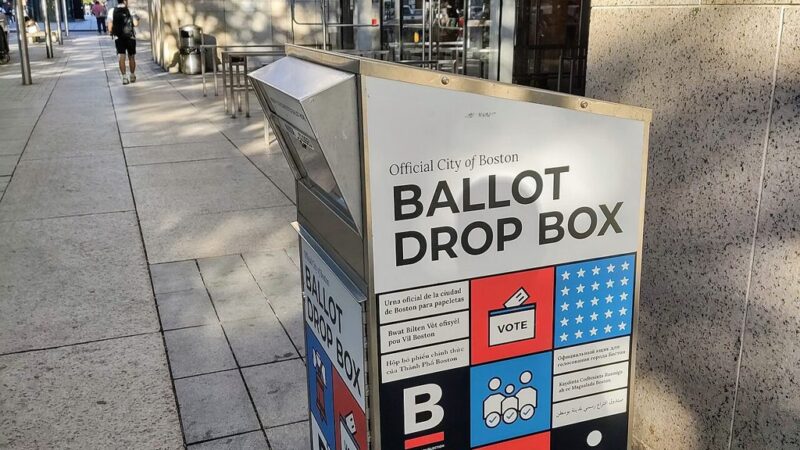
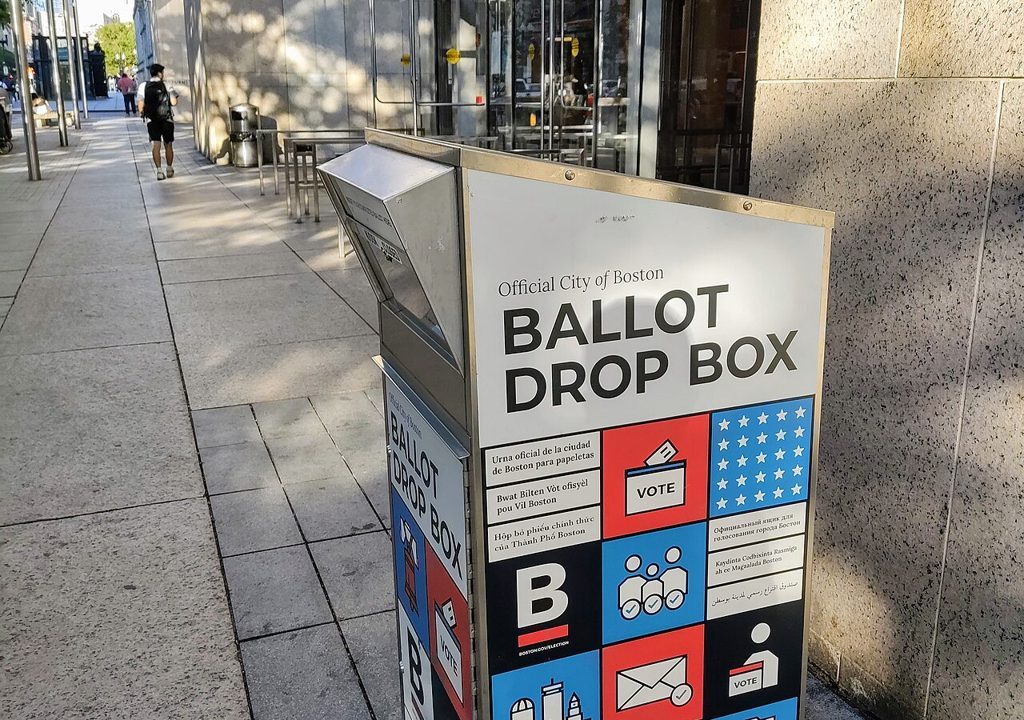
Early voting in the 2026 midterms is teaching marketers a lesson that has nothing to do with politics and everything to do with audiences: people act early when the process is easy, the deadline is clear and the message reaches them where they already are. National trackers put the number of ballots cast before Election Day somewhere between about 30 million and more than 34 million, depending on which states are counted, and the pace is running ahead of the comparable point in 2022. That is not just a political story. It is a mobilisation story, and mobilisation is what marketers are paid to produce.
The details matter for anyone trying to move an audience. Texas logged nearly 4.5 million ballots in its first seven days of early voting. North Carolina’s early total reached 1.7 million, with in-person voting up 42 percent while mail ballots fell about 34 percent, a shift that suggests voters prefer a clear, in person moment over a process they have to manage at home. Harris County in Texas reported more than 700,000 early ballots and expanded operations, adding staff, sites and equipment to handle demand. Georgia recorded 2,452,000 in-person ballots as of Tuesday afternoon, up 22 percent on the same period in 2022. Each of those figures reflects a system that made action easy, and an audience that responded.
Three mobilisation lessons
First, deadlines work, but only when they are real. Early voting in Georgia ends on October 30, ahead of Election Day on November 3, and the final days of early voting create a natural urgency that no invented deadline can match. Marketers who manufacture urgency without a real date behind it should expect audiences to notice. Second, channel matters more than message volume. The shift from mail to in-person voting in North Carolina suggests that voters chose the channel that felt most certain, not the channel that was most heavily promoted. Third, capacity is part of the message. Counties that added sites and staff turned demand into completed action, while a system that cannot handle its own success turns enthusiasm into queues and frustration.
There is also a caution in the numbers that marketers should respect. Early votes tell analysts who participated, but they do not reveal which candidates those voters selected, and party registration data is an imperfect guide to outcomes. Analysts warn that early leads are not decisive, because reporting rules, party registration differences and late or Election Day voters can change outcomes. The same caution applies to any campaign metric: an early surge in clicks, signups or votes is a signal about participation, not a forecast of the final result.
Participation is the product
Reports of the early voting surge describe a national pace above 2022 that may surpass that midterm’s early totals, and Research Marketing’s Virginia case study showed how a single state can double its early vote when mobilisation works. The lesson for brands is the same as the lesson for campaigns: make the action easy, make the deadline real, build the capacity to handle success, and measure participation honestly rather than mistaking an early lead for a finished job.