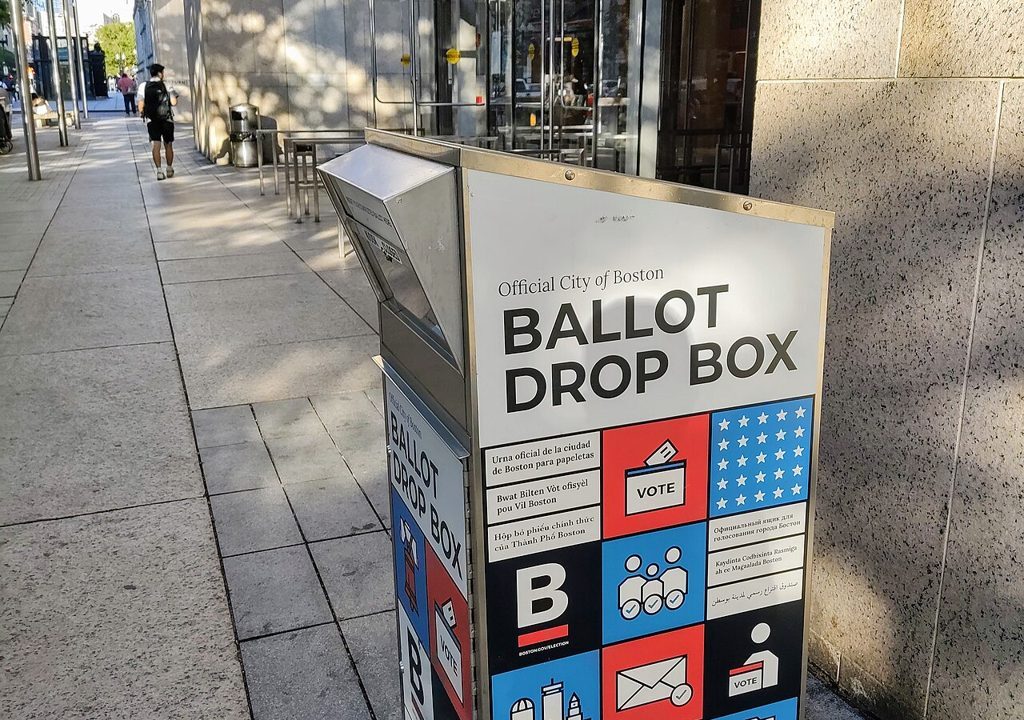
Virginia’s early voting surge is the clearest case study of the midterm cycle for anyone who studies audiences. Early votes cast so far in Virginia are almost double the number at the same point in the last midterm election, according to numbers from the Department of Elections posted to the Virginia Public Access Project, and voters have been casting ballots for more than five weeks. That is not a marginal increase. It is a doubling, and it has happened in a state with competitive districts, three constitutional amendments on the ballot, and a political environment that rewards mobilisation. Karen Hult at Virginia Tech said the numbers are revealing pockets of interest, matching expectations about which districts would be most competitive, while David Ramadan at George Mason University cautioned that the numbers show excitement, not results, and that in most cases the early numbers are voters who intended to vote anyway.
What doubled turnout actually signals
The distinction between excitement and outcome is the most important one in audience analysis. A doubling of early votes does not mean a doubling of support for any candidate or party. It means that voters who were already motivated found it easier, or more urgent, to vote early, and that campaigns and civic organisations succeeded in moving their own supporters to the polls ahead of Election Day. The signal for marketers is about mobilisation mechanics, not message: when you lower friction and raise urgency, motivated audiences act early. When you raise friction or lower urgency, even motivated audiences wait. Virginia’s experience also shows the limits of early data. Early voting tells analysts where voters are mobilised, as Hult noted, but it cannot tell them which way those voters voted, because ballots are secret and party registration is not a vote.
The Halloween deadline
Virginia’s calendar adds a final lesson in deadline design. Halloween is the last day to cast an early ballot in Virginia, with voting ending at 7 p.m. on Election Day, Tuesday, November 3. A hard deadline, clearly communicated, concentrates action in its final days, and campaigns that plan around it can sequence their outreach: early persuasion for the persuadable, mid period mobilisation for supporters, and a final push for the remainder. The Virginia early voting report shows that sequence working at scale, with record breaking turnout that still leaves an Election Day vote to come. For brands, the parallel is direct: a launch, a sale or a registration deadline works best when it is real, when it is communicated early, and when the audience understands what happens if they miss it. Virginia voters understood the deadline. That is why they doubled the record, and why the final week still matters.