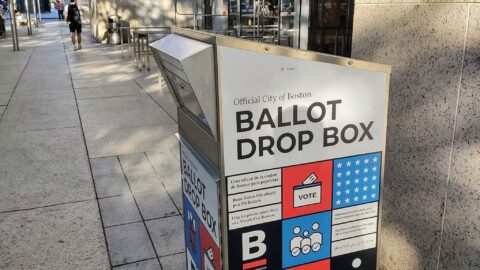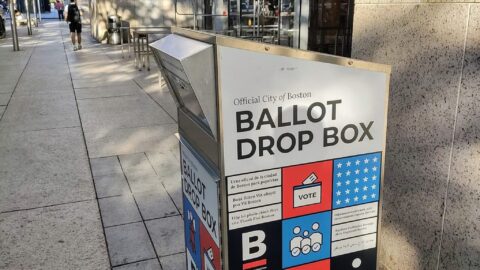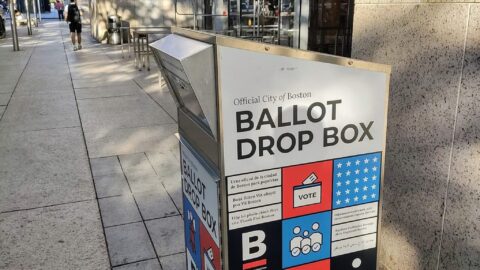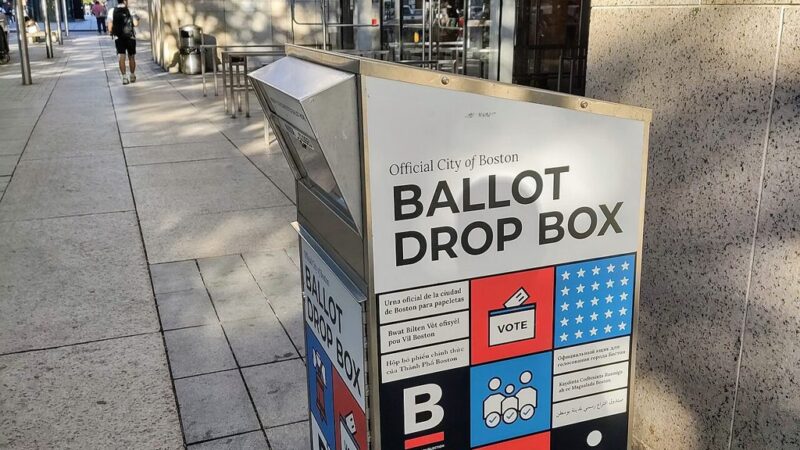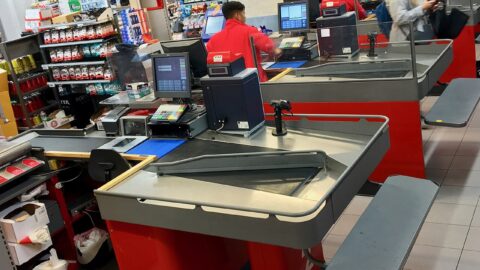
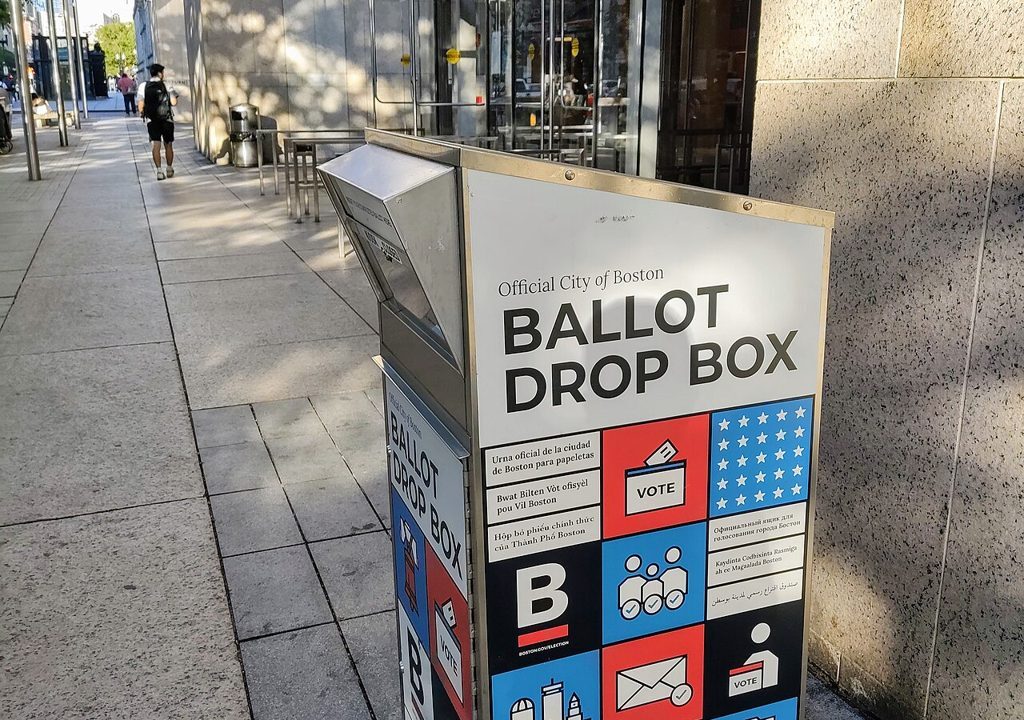
Marketers have a name for what is happening in the 2026 midterms, and it is not a political term. It is the abandoned cart. As of October 30, 27,935,340 mail ballots sent or requested have not yet been returned, while 42,615,145 ballots have already been cast. The outstanding pile represents voters who showed intent, requested a ballot, and then stopped one step short of completing the action. Any business facing a 40 percent abandonment rate at the final step would treat it as an emergency. Campaigns, in the final four days before Election Day, are treating it the same way.
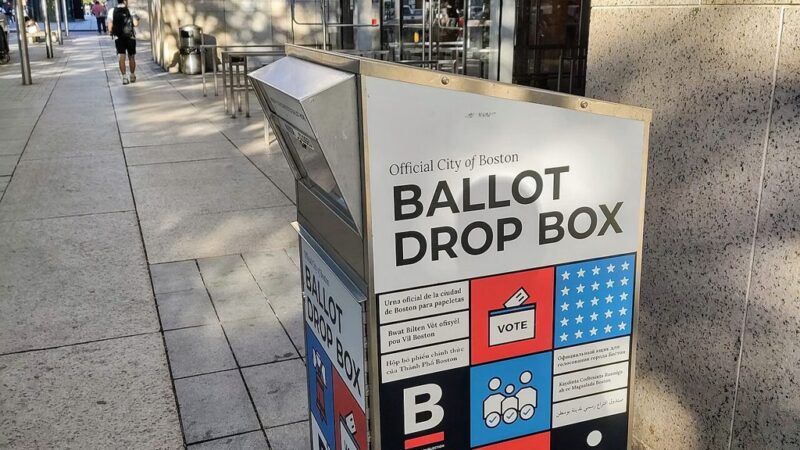
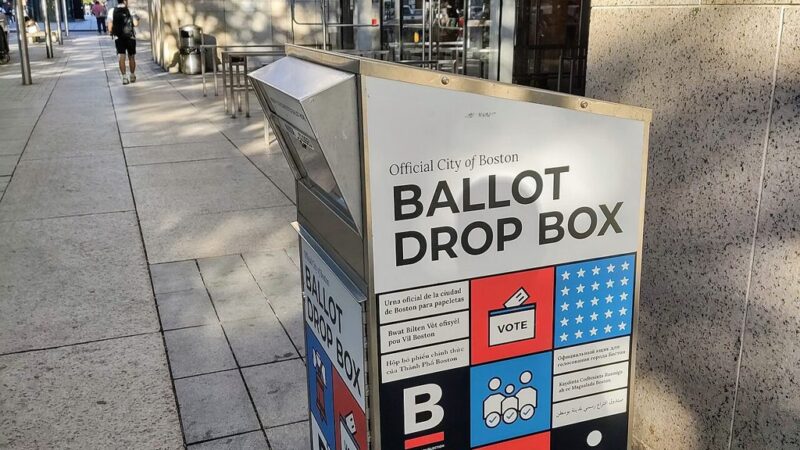
The parallel is instructive because the causes are similar. A voter who requests a mail ballot and does not return it is like a shopper who adds an item to a cart and does not check out: the interest was real, but friction, delay or simple forgetfulness intervened. The remedies are also similar. Reminders at the right moment, a clear deadline, a reduction in friction, and a simple next step. Campaigns are now sending exactly those messages: return the ballot now, use a drop box, do not rely on the post at this late stage, and check the local deadline.
Intent is not conversion
The early vote figures show how large the gap between intent and conversion can be. The 42.6 million ballots already cast are a record pace, running at four to five million a day, and Texas alone has recorded more than 5.8 million votes. Yet the outstanding mail pile is nearly two thirds the size of the cast total, which means the election’s final turnout will be decided less by persuading new voters than by converting voters who have already shown intent. That is a mobilisation problem, not a persuasion problem, and it requires a different set of tools: logistics, reminders and deadline clarity rather than argument.
The party registration data add a further complication. In the states that publish it, registered Democrats have cast 41.3 percent of early ballots and registered Republicans 32.2 percent, but those figures describe returned ballots only. The outstanding pile may have a different composition, and neither side can know until it resolves. Campaigns are therefore chasing their own supporters’ outstanding ballots as much as they are chasing undecided voters, a reminder that in a high intent election, the ground game matters more than the air war.
What businesses should take from it
The lesson for any organisation that depends on completed actions, from voter turnout to product sales, is that the final step deserves the most investment. A request, a signup or a cart addition is not a conversion, and the gap between the two is where campaigns are won or lost. Clear deadlines, low friction return paths, and timely reminders are not glamorous, but they are what turn 27.9 million outstanding intentions into counted results. The tracker compiled from state election offices shows the national count moving daily, and the movement in the final days will come from conversion, not from new intent.
By Tuesday night, the abandoned cart of this election will have emptied, one way or another. The campaigns that understood that conversion, not persuasion, was the final task will be the ones that look back on the weekend as the moment the election was decided.