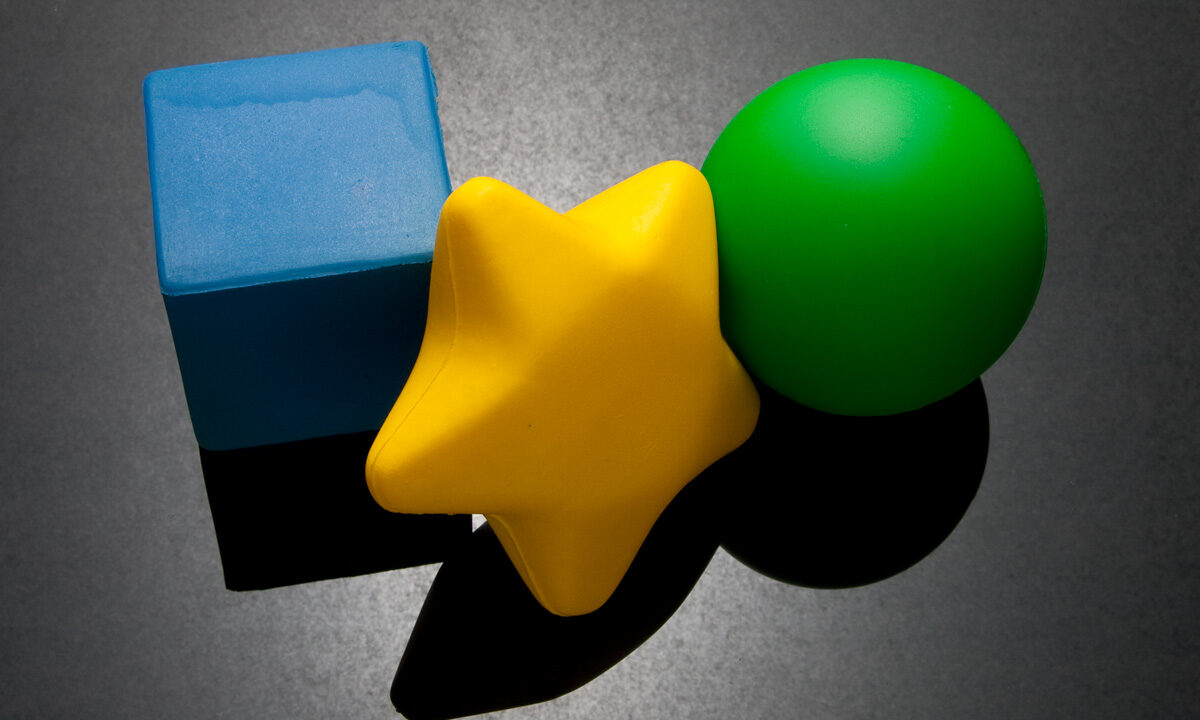
Poison control calls about NeeDoh squishy toys have increased 312 percent in Alabama over the past year, and doctors are warning parents about the risks as the toys rank among the most popular gifts this holiday season. The Alabama Poison Information Center received 83 calls about the toys in 2025. So far in 2026, it has received 342 calls, a surge that has caught the attention of paediatricians and retailers alike.
Dr. Kym Middelton of Huntsville Hospital said the toys can help children dealing with anxiety, stress or illness, and many parents buy them for exactly that reason. But she warned that broken or torn toys may release irritant chemicals, and that children who chew or swallow pieces of the soft filling can suffer burns, skin irritation and stomach problems. The warning lands in the middle of the holiday season, when the toys sit high on wish lists and on store shelves across the country.
What the manufacturer says
The toy manufacturer, Schylling, released a statement about the risks of heating the toy. Misusing a NeeDoh product by microwaving, heating or freezing is dangerous and could cause injury to the consumer, the company said, urging parents to follow the instructions on the packaging and to throw away any toy that is torn or leaking. Doctors echoed that advice, saying a damaged toy should be treated as a hazard, not a keepsake, and that parents should call poison control at once if a child swallows any part of it.
The numbers tell a story about how fast a product can move from niche to everywhere. A toy that was once a quiet seller in therapy offices is now a stocking filler in millions of homes, and the safety guidance has not kept pace with the sales. For brands and media watching the holiday market, the episode is a reminder that a product story can turn into a safety story overnight, and that the brands that respond early keep the trust that others lose.
A lesson for holiday marketers
Retailers face a practical question in the weeks before Christmas: how to sell a popular product while giving parents honest safety information. The best answer is to put the guidance where shoppers can see it, on the shelf, on the product page and at the till, rather than burying it in small print. The Alabama figures show that poison control calls are the earliest warning system for a product problem, and they are rising fast.
For marketers, the wider lesson is plain. Safety is not a back office detail, it is part of the brand promise, and a toy that helps a child cope with stress must not become a source of harm.