Black Friday 2026 arrives with a split picture for retailers: shoppers are turning out in record numbers, but they plan to spend no more than last year, and artificial intelligence is now shaping how they find every deal. Adobe forecasts a record 12.9 billion dollars in United States online spending on Friday alone, up 9.2 percent on last year, while the National Retail Federation expects total November and December retail sales to reach 1.013 trillion dollars, up 4.2 percent.
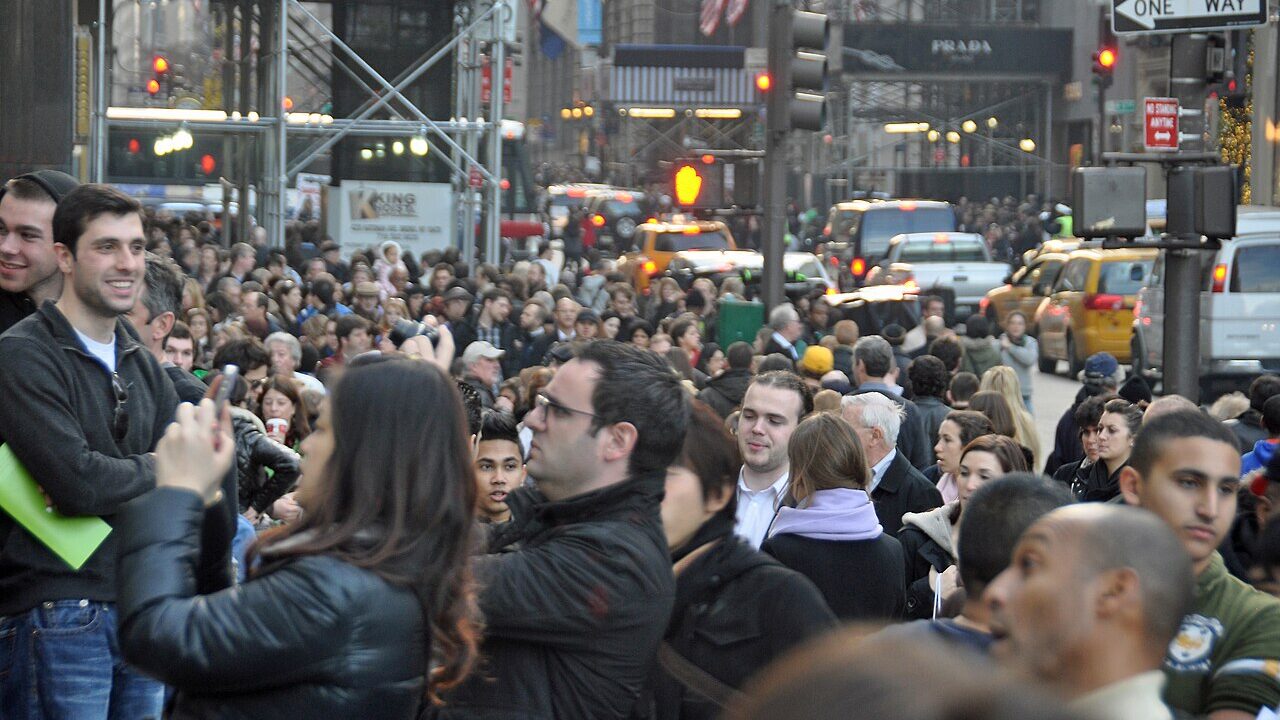
Deloitte found that 87 percent of shoppers plan to take part in the Black Friday to Cyber Monday period, a 10 year high, up from 82 percent in 2025. Yet average planned spending is flat at 624 dollars, with half of shoppers saying they have already felt higher holiday prices. About 126 million Americans are expected to shop on Black Friday, and 182.7 million across the Thanksgiving weekend, down from 202.9 million last year.
The AI shopper has arrived
Nearly one in five shoppers now begins the search with AI tools, according to Salesforce, and AI is expected to influence 75.8 billion dollars, or 21 percent, of global Cyber Week sales. AI driven traffic to retailers has more than doubled from a year ago, and shoppers who arrive through AI referrals are about twice as likely to buy as typical online visitors.
For marketers, that changes where the battle is won. The product page, the price comparison and the review summary that an AI assistant reads may matter more than the banner ad, and AI is making Black Friday scams harder to spot, which puts trust at the centre of the season. Retailers with clear prices, honest stock and simple returns will be the ones the machines recommend.
Who is spending, and on what
Gen Z shoppers show 94 percent planning to shop, with average planned spending rising to 752 dollars from 609 dollars, and 73 percent plan to buy something for themselves. Lower income households are also budgeting more, with planned spending up 17 percent to 433 dollars, while spending among households earning 100,000 to 199,000 dollars is down 7 percent. About 61 percent of the Black Friday budget is expected to be spent online and 39 percent in stores, and shoppers using both social media and generative AI plan to spend 765 dollars on average.
Electronics remains the most heavily promoted category, with discounts forecast to peak at 30 percent, followed by toys at 29 percent. Clothing and accessories lead the lists at 76 percent, ahead of electronics at 58 percent and toys at 57 percent. Cyber Monday is forecast at a record 15.1 billion dollars online. Target beat forecasts as shoppers returned with traffic up 5 percent, showing that value and experience still win. The Black Friday test for retailers is not whether shoppers show up, but whether brands can turn a cautious, AI assisted crowd into loyal customers.