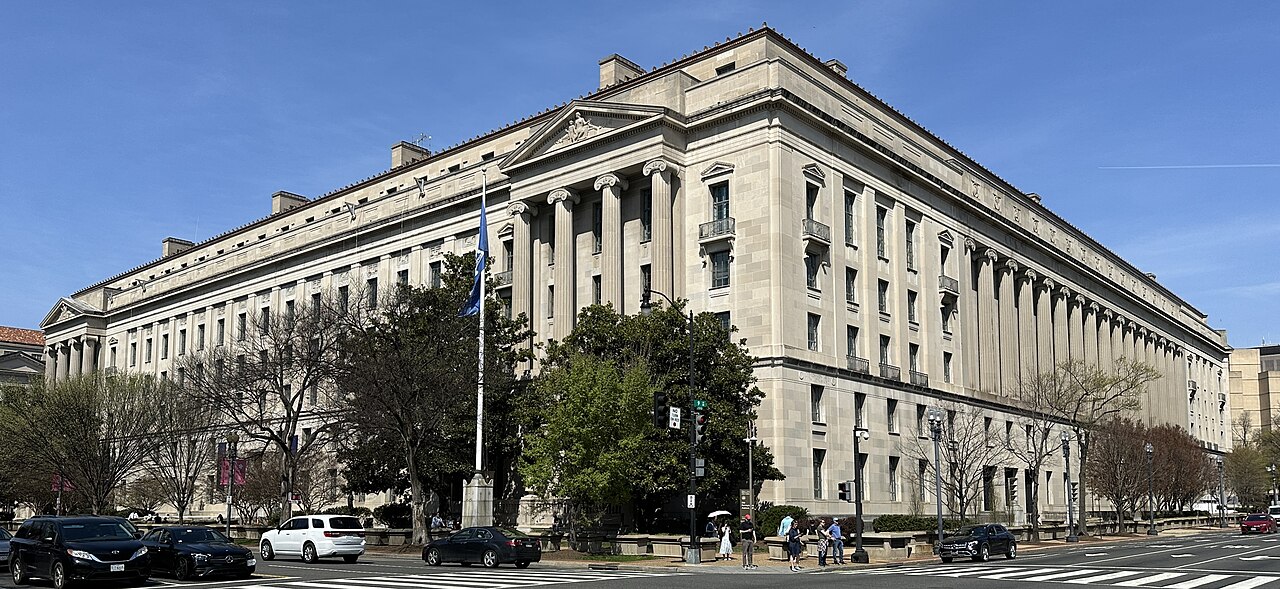
The Justice Department’s Antitrust Division has opened a civil investigation into whether five of America’s biggest television networks violated federal competition law when they jointly suspended White House pool coverage last month — a probe that is sending shockwaves through the media business regardless of how it ends.
Civil investigative demands went out on Friday to ABC, CBS, CNN, NBC and Fox News, seeking communications related to the pool. The networks learned of the investigation on October 9. The probe centres on the late-September decision by the five broadcasters to stop fulfilling pool assignments after the White House withdrew credentials from CNN, MS NOW and Politico — a collective action the department says could constitute an illegal group boycott under the Sherman Act.
Why the industry is rattled
The White House television pool is one of the oldest cooperative arrangements in American media: competing networks rotate responsibility for filming presidential events and share the footage — and the costs — with subscribers including C-SPAN and international outlets. That it has functioned across administrations of both parties for decades is precisely what makes an antitrust theory about it so unsettling to news executives. “The Antitrust Division is simply investigating to determine whether these news organisations have violated the antitrust laws,” a department spokesperson told The New York Times, which first reported the investigation.
Press advocates have reacted sharply. Jose Zamora of the Committee to Protect Journalists wrote that the government should not use antitrust investigations to intimidate outlets defending press access, while Bruce Brown of the Reporters Committee for Freedom of the Press called the probe an even more brazen attempt to intimidate journalists. ABC said it expects to receive notification; NBC, CBS and CNN declined to comment.
The business stakes
For media companies, the case sits at the intersection of two expensive risks: the legal cost of a federal antitrust probe, and the reputational cost of being seen to cave on press independence. The underlying access dispute is still live — the three barred outlets sued, and a federal judge’s temporary order restoring access runs to Tuesday, with pool coverage having resumed in the meantime. As trade coverage notes, the networks’ joint statement at the time argued that no administration should restrict a news organisation because it objects to its reporting. The outcome will shape how media companies price the risk of collective action for years. Related: our coverage of the Skydance-WBD ad sales reshuffle and Disney’s ad-free positioning.