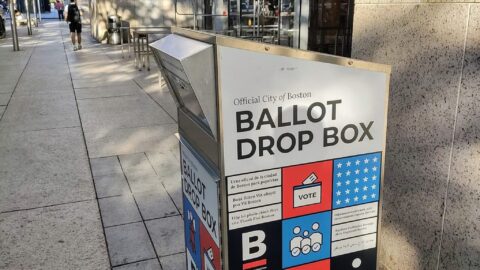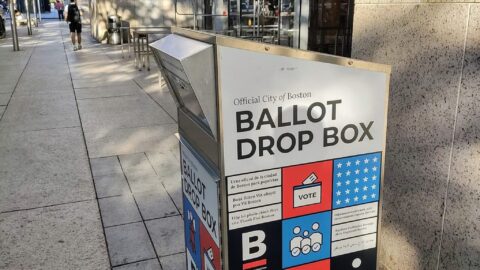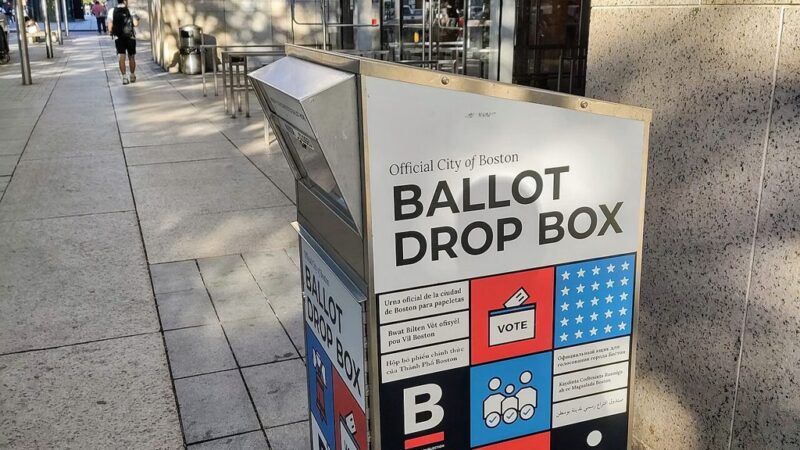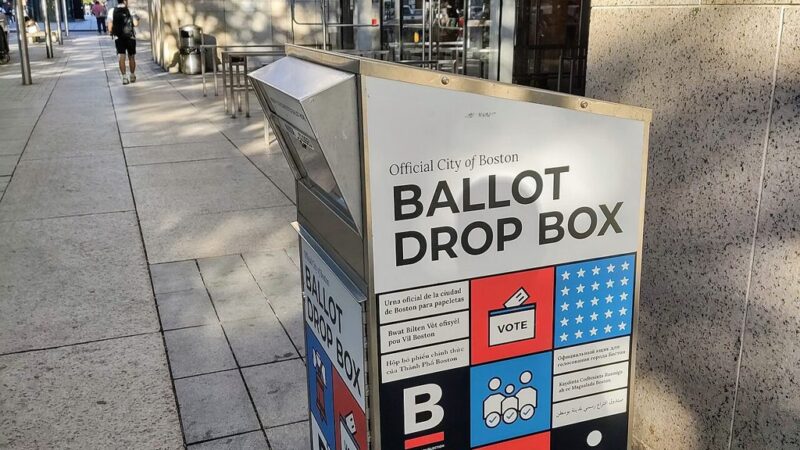
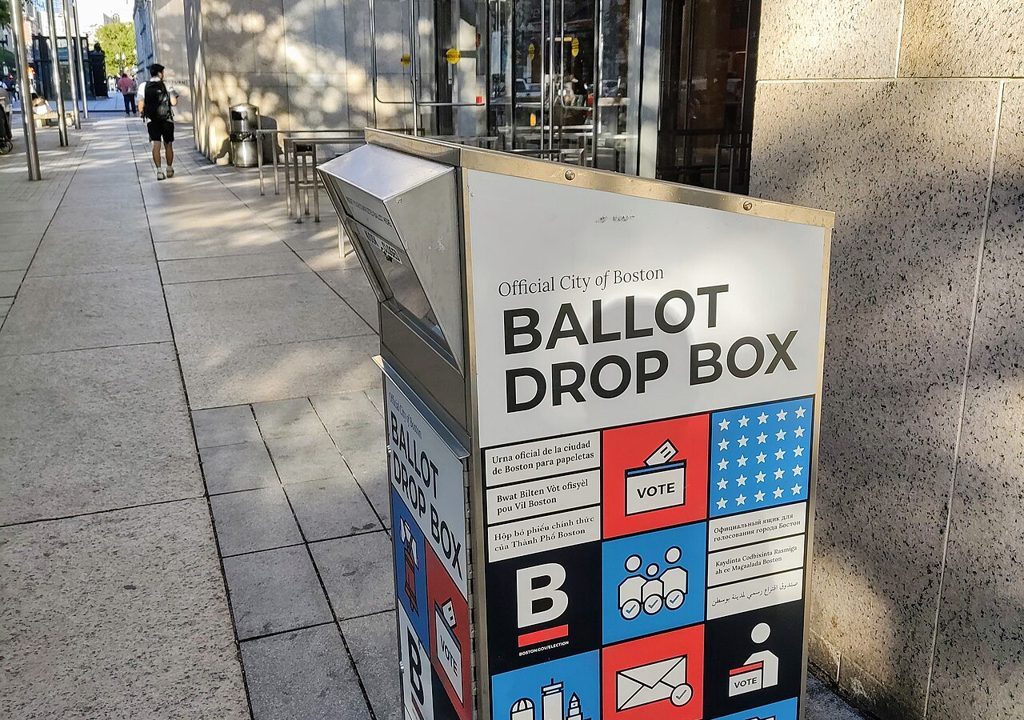
Early voting in 2026 is a masterclass in audience mobilisation, and marketers should study it without borrowing its politics. As of October 29, 38,899,002 ballots have been cast across 47 reporting states, with 19,091,360 mail ballots returned and 19,807,642 votes cast in person. Another 29,545,133 mail ballots have been sent or requested and not yet returned. In marketing terms, that is a funnel with a very large middle: millions of people who have received the product, opened it, and have not yet completed the action.
The campaigns that are winning the early vote are not winning on message alone. They are winning on friction reduction. Texas early voting is up 74 percent on the same point in 2022, Kansas has more than doubled, and Maine, North Carolina and Ohio are each up more than 30 percent, according to an Associated Press analysis. Those gains reflect the same mechanics that drive any mobilisation: clear instructions, repeated reminders, trusted messengers, and a deadline that is real. The early vote tracker shows 38.9 million ballots cast five days before Election Day, and the remaining task is conversion, not awareness.
The 29.5 million in the middle
The most instructive number is not the 38.9 million who have voted. It is the 29.5 million mail ballots sent or requested and not yet returned. That is the abandoned cart of this election, and it is where the final five days will be fought. Campaigns will chase those ballots with personal contact, because a ballot sitting on a kitchen table is worthless until it is returned. Brands face the same problem with trials, samples and free content: distribution is not conversion, and the follow up matters more than the launch.
Party registration data add a caution that marketers should heed. In the 25 states that report it, registered Democrats have cast 41.9 percent of early ballots, Republicans 32.0 percent and others 26.1 percent. That describes who acted early, not who will win, because early actors differ from late actors. Marketers make the same error when they treat early adopters as representative of the whole market. They are not. They are simply the easiest to reach first.
What to copy, and what not to
Copy the mechanics: make the action easy, remind at the right moment, and use trusted voices rather than only paid media. Do not copy the assumption that early numbers predict the final result. A campaign, like a product launch, is judged on the total, not the opening week. The organisations that understand that distinction will spend the final five days converting the middle of the funnel, rather than celebrating the top of it.