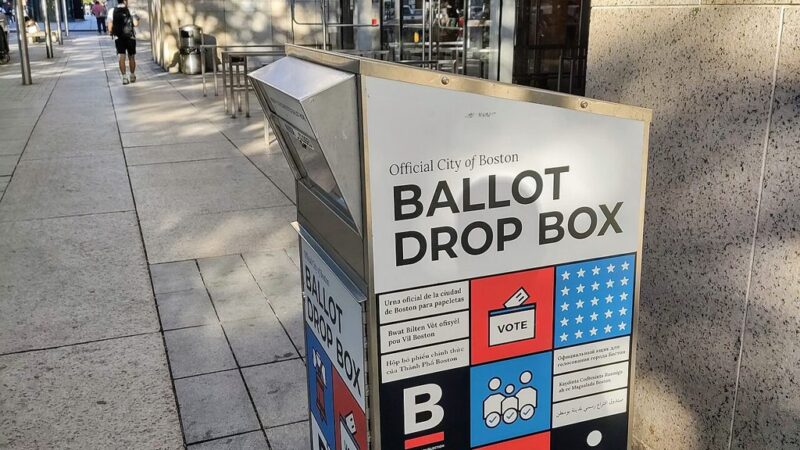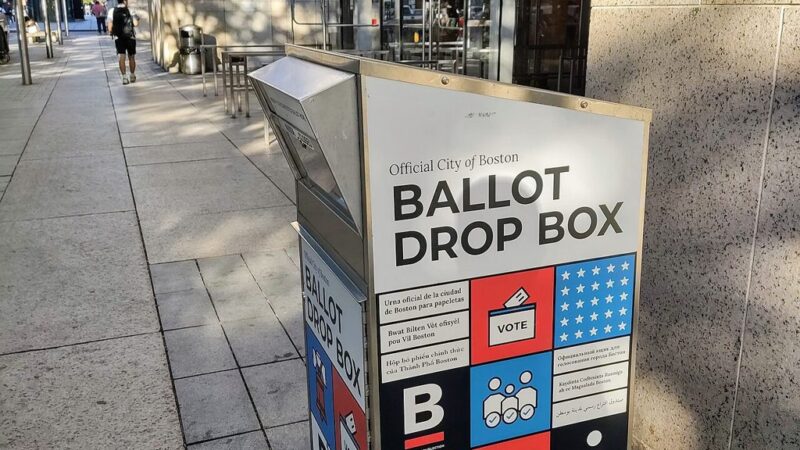

As the campaign enters its final weekend, three storylines are competing for voters’ attention, and the way media outlets choose between them will shape what the public remembers about this election. The first storyline is participation: more than 51 million Americans have already voted, a midterm record. The second is legality: a federal investigation in Alaska and a ballot dispute in California have put courts at the centre of the campaign. The third is personality: President Donald Trump is closing with rallies in Kansas and Iowa, while Democratic candidates try to hold their coalition together.
For media strategists, the interesting question is not which storyline is true, since all three are, but which one travels. Record turnout is a simple number with a clear visual: long early voting lines and ballot drop boxes. Court fights are harder to tell, because they turn on procedure, appeals court votes and the difference between an investigation and a finding. Rallies are the easiest to film and the hardest to learn from, because a crowd says little about a district’s voters as a whole.
The audience data, such as it is, suggests voters are seeing all three at once, in different feeds. National television leans toward rallies and polls. Legal reporting leans toward the Alaska and California cases. Social feeds amplify the sharpest claim from each track, often without the qualification that makes it accurate. A campaign that understands that split can place its closing message where its target voters actually spend time, rather than where its own supporters already agree.
What the record number does in a campaign
A record early voting total is useful to campaigns in two ways. It lets them claim momentum, and it lets them narrow their target list to people who have not yet voted. Both uses are legitimate, but both can mislead if the number is read as a result. Early voters are not a representative sample, and party breakdowns of early ballots are incomplete, since not every state records party when a ballot is returned. Media coverage that presents an early total as a forecast, rather than as a participation fact, does its audience a disservice.
The court storylines carry a similar risk. An investigation is not a verdict, and an appeals court ruling against an emergency bid is not a ruling on the underlying merits of every ballot. Reporting that keeps those distinctions visible helps voters trust the count, whatever the result. Reporting that collapses them into a single claim about fraud or suppression does the opposite, and it is the kind of coverage that campaigns on both sides then quote back at each other.
The closing message that cuts through
In the final weekend, the campaigns that cut through are usually the ones with a single, verifiable claim: where to vote, when polls close, and what is at stake in a specific race. Grand claims about national momentum travel fast but age badly when results arrive. Specific claims about a Senate seat or a House district can be checked, and they give local media something concrete to report.
On Tuesday, voters will decide 35 Senate races and all 435 House seats. The media story after that will be about margins, recounts and control, not about who shouted loudest in the final weekend. The outlets that kept the three storylines distinct, and kept their qualifications attached, will be the ones whose weekend coverage still reads true on Wednesday morning.