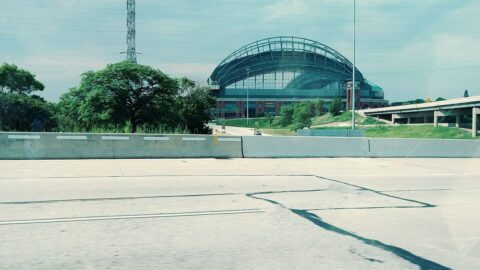
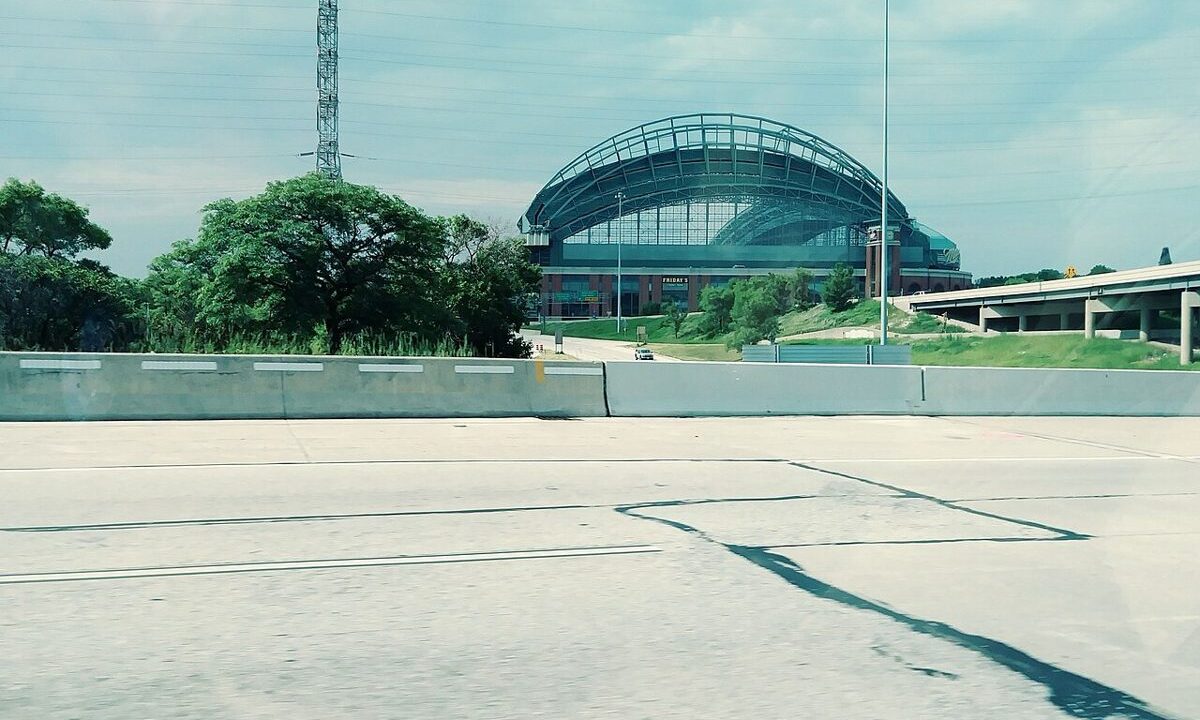
Milwaukee’s championship parade on Friday is, among other things, a marketing event, and it is worth studying as one. Around 400,000 fans are expected downtown for a procession that begins at 10 a.m. and a festival at Henry Maier Festival Park that runs until about 3 p.m. The festival grounds are free until capacity, the amphitheater rally seats sold out within hours, and the first 50,000 fans through the gates receive a rally towel. For a club that is the smallest market in Major League Baseball, the parade is a demonstration of how a small brand stages a big moment without pricing its own community out of it.
The free admission policy is the central marketing decision. A ticketed celebration would have raised revenue and controlled numbers, but it would also have turned a civic event into a commercial one. By keeping the grounds free and ticket only the amphitheater speeches, the Brewers preserved the parade’s character as a public celebration while still creating a premium tier for the most committed fans. The sold out amphitheater, with lawn seats starting at 26 dollars and resale prices above 250 dollars for front seats, shows that scarcity works even when the main event is free. The free towel, limited to the first 50,000, creates an early arrival incentive that solves a logistical problem, spreading the crowd across the morning, while also creating a souvenir that will be photographed, shared and kept.
Identity over spending
The Brewers’ season itself is the brand story the parade extends. The club won with the 19th highest payroll and the best record in baseball, a combination that turns a financial disadvantage into an identity: the team that outplayed richer clubs. That identity is marketable in a way that a bought title is not, because it invites fans to see themselves in the achievement. Milwaukee is a working city with a small market club, and the parade’s route, down Wisconsin Avenue to the lakefront festival grounds, reinforces that identity by placing the celebration in the city’s public spaces rather than inside a stadium.
The media strategy follows the same logic. Speeches shown on video screens across the grounds mean the rally is accessible to everyone present, not only to ticket holders, and the documentary about Bob Uecker connects the present title to the broadcaster who defined the club for generations. Alumni appearances, live music and merchandise complete a festival that feels like a civic event rather than a product launch, which is precisely why it works as marketing: people share what feels authentic, and they ignore what feels staged.
The lesson for small brands
The lesson is not that every brand should stage a parade. It is that a small brand’s advantage is its community, and the way to use that advantage is to give the community something to gather around, for free, in public, with a clear identity attached. The expectation of around 400,000 fans downtown shows the scale of what that approach can achieve, and the sold out amphitheater shows that a free event can still create premium value.
By Friday evening, the towels will be souvenirs, the merchandise will be worn, and the photographs will be shared. The Brewers will have converted a championship into a brand asset that lasts longer than the season. Small brands watching from elsewhere should note the formula: know who you are, celebrate in public, charge only for scarcity, and let the crowd do the marketing for you.